AI Coding Team Norms: What Developers Owe Reviewers Now
AI coding team norms need to define ownership, disclosure, validation, and reviewer rights before AI-generated PRs reach review.
Tag
Articles tagged Software Development in the Journal.
25 articles
10 articles on this page

AI coding team norms need to define ownership, disclosure, validation, and reviewer rights before AI-generated PRs reach review.
Your team does not need another model ranking. It needs to decide where control lives, who owns shared state, and when MCP-connected project state becomes the missing layer.

Junior developer hiring is tighter, but AI has not erased the career path. It has moved the on-ramp toward specs, review, tests, permissions, and durable workflow state.
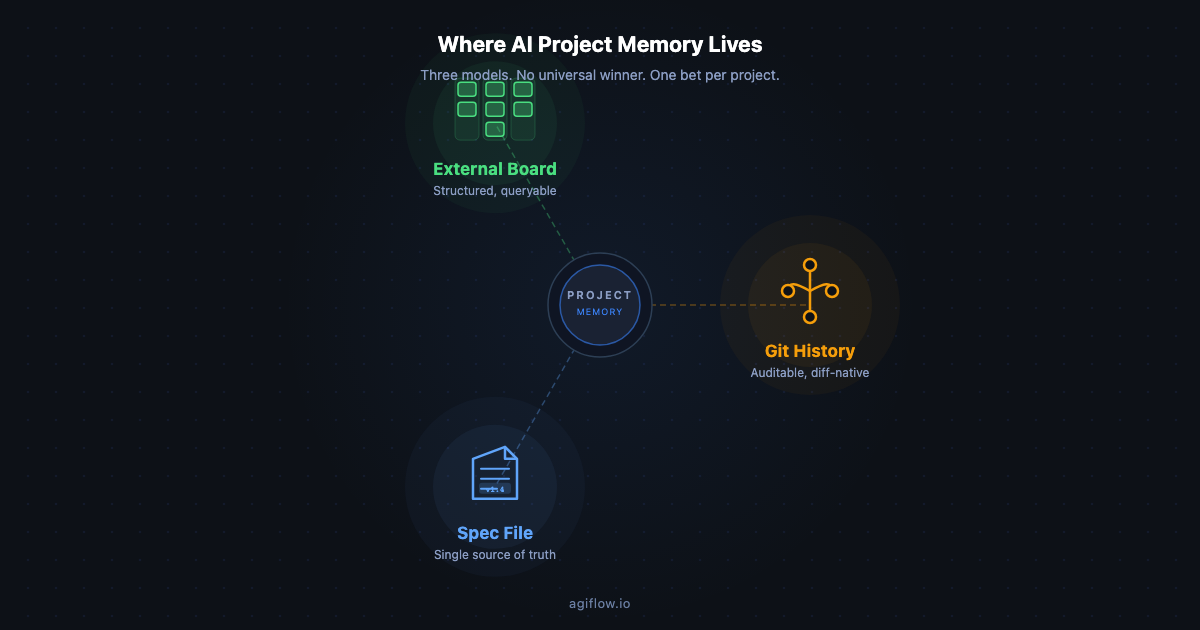
Spec-driven development tools are not converging on one winner. The useful decision is where durable project memory lives after the AI session ends: in specs, in git, or in an external MCP-connected board.
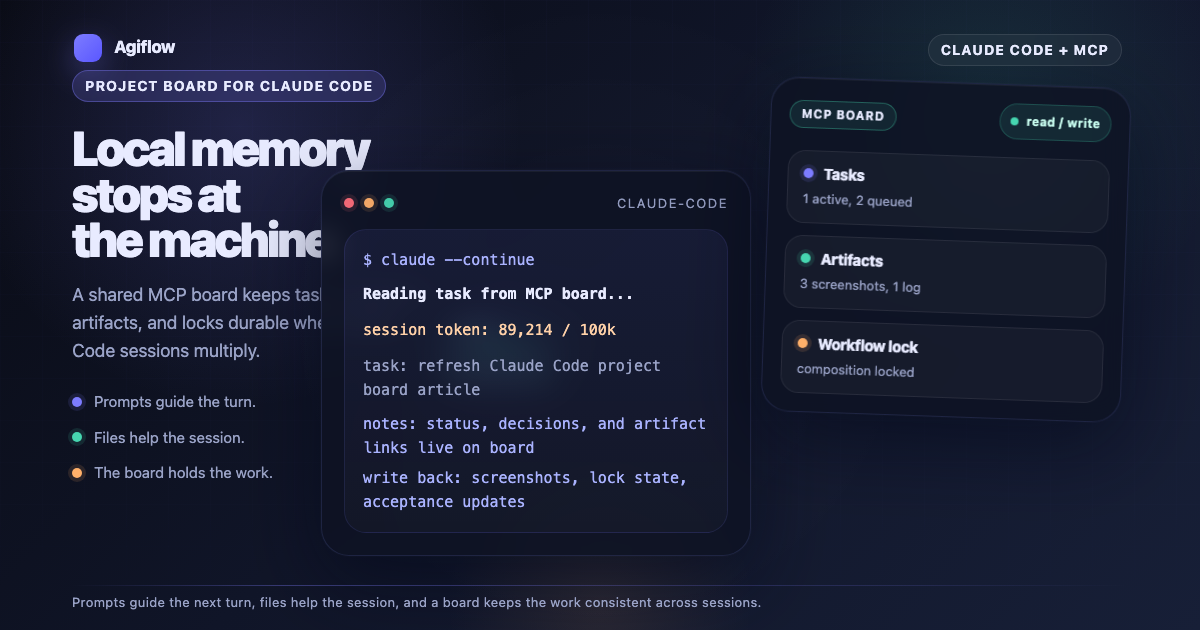
A Claude Code project board is a shared MCP-readable system of record for scope, decisions, tasks, artifacts, and workflow locks. Here is when local memory is enough, when it stops scaling, and how Agiflow keeps state durable across sessions.
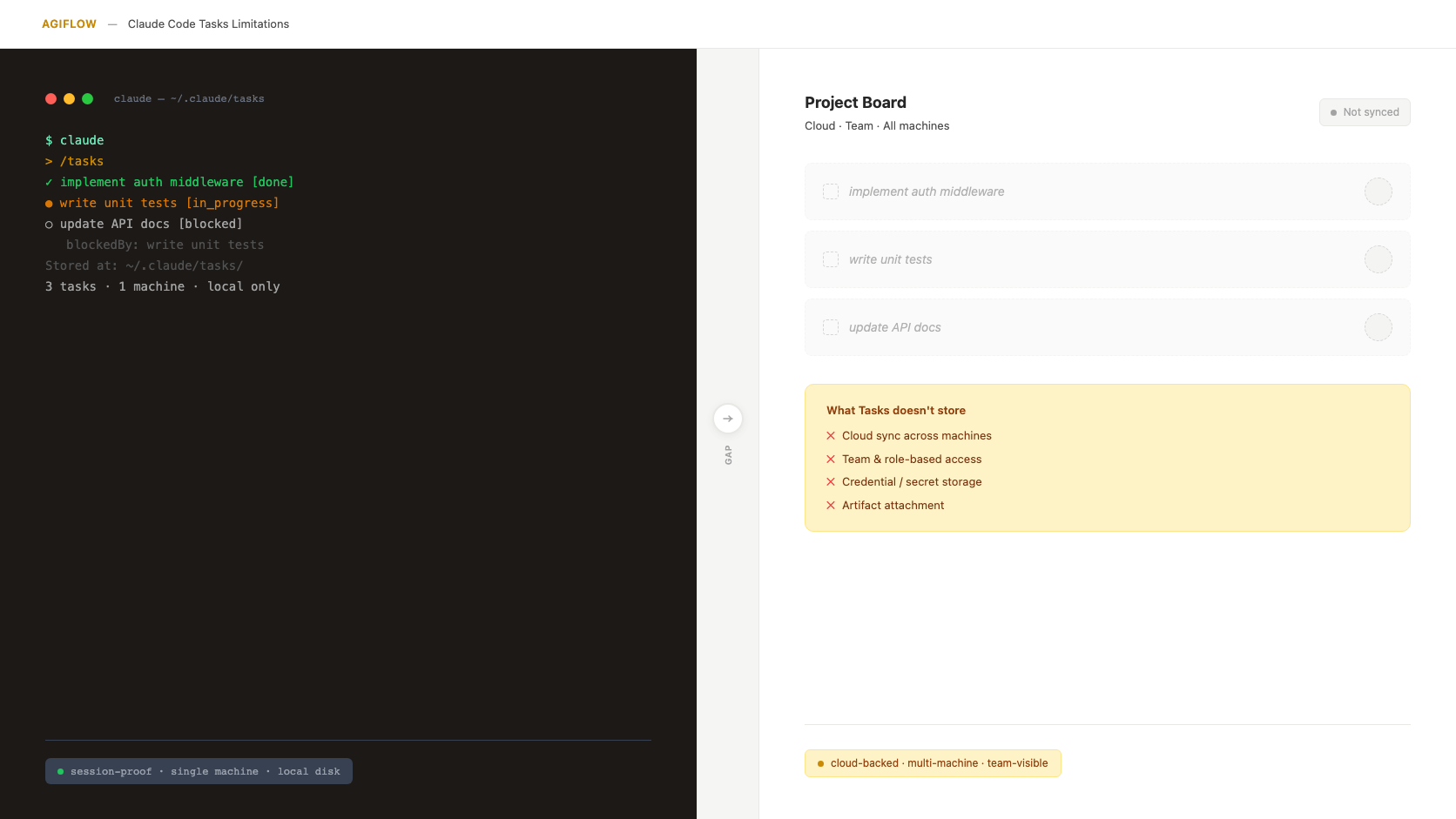
Claude Code Tasks is useful local orchestration, but it is not a shared system of record. This refreshed guide maps what Tasks stores, how it differs from sessions, memory, and artifacts, and when teams need an MCP-readable project board.
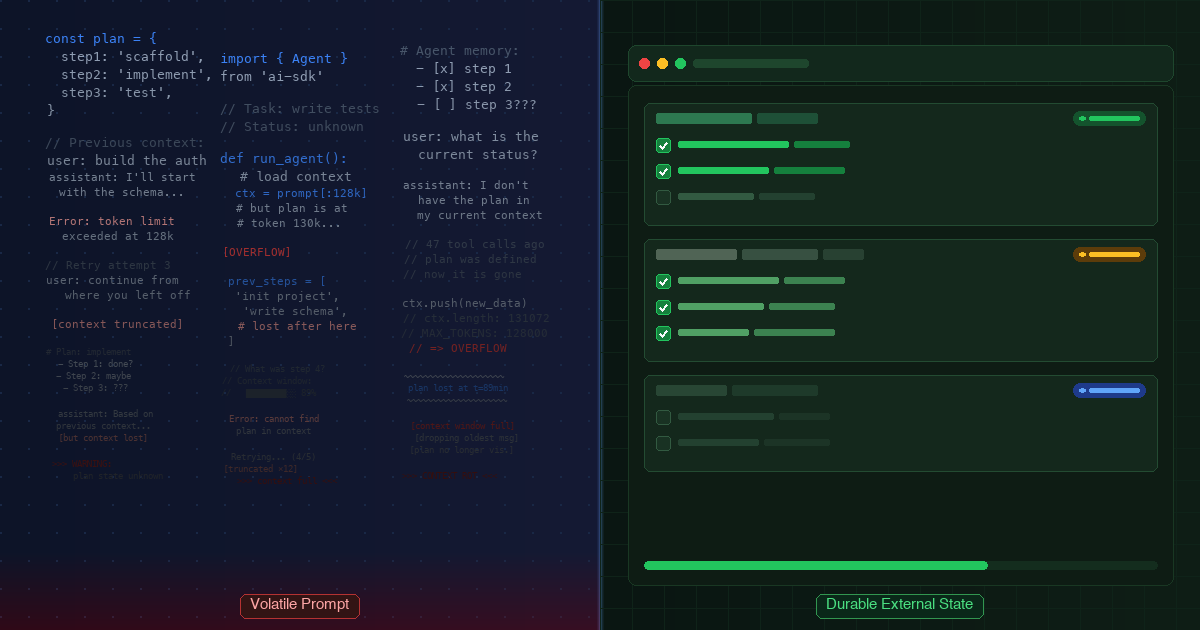
AI coding agents lose context when the prompt becomes both working memory and system of record. The durable fix is task state: scope, criteria, tests, status, artifacts, and handoff notes.
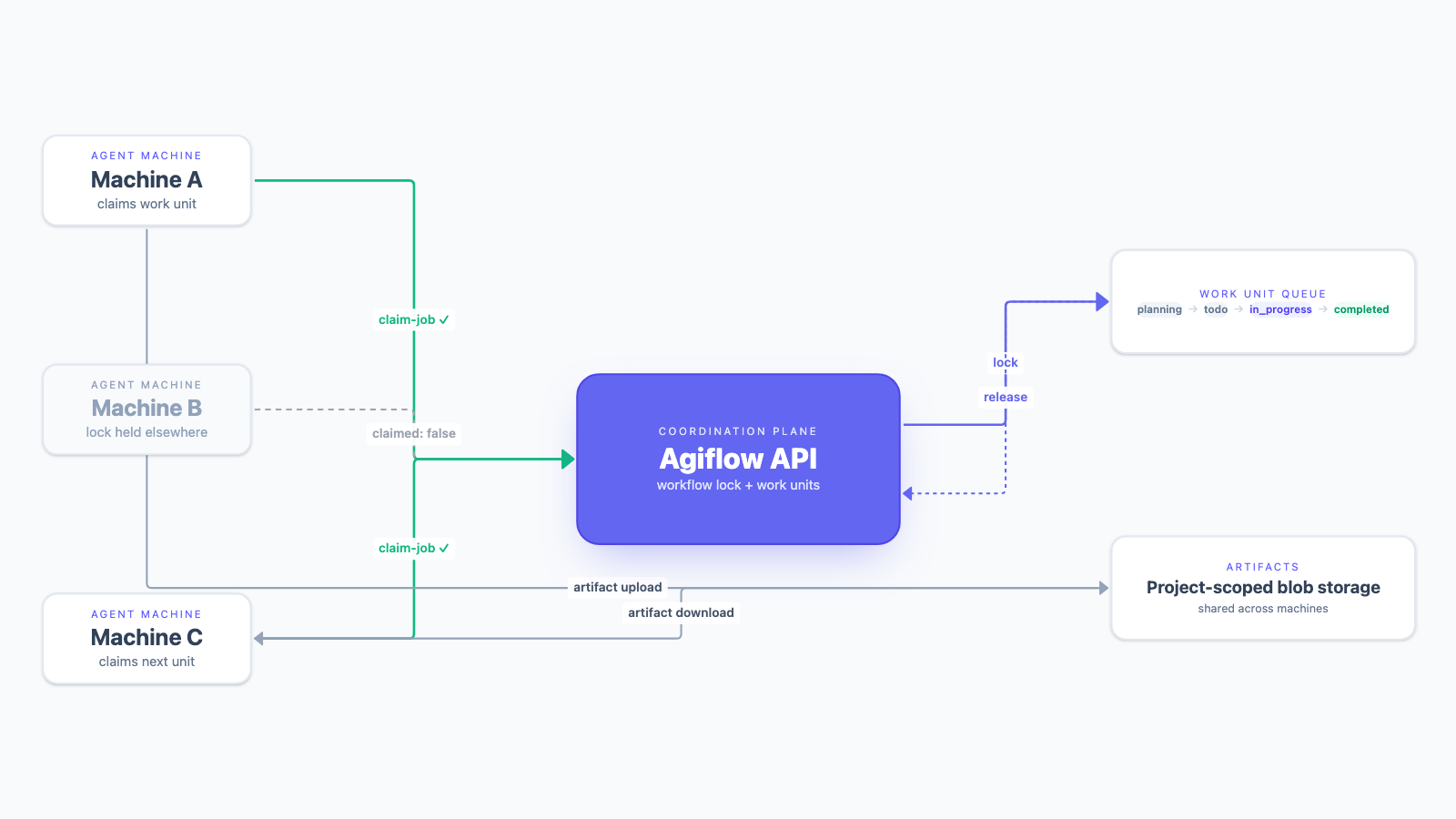
More AI coding agents only help when ownership, state, and proof survive outside a single session. This refreshed guide shows how Agiflow uses CLI runners, workflow locks, atomic claims, device identity, and artifacts to coordinate agent work across machines without duplicate branches or lost handoffs.
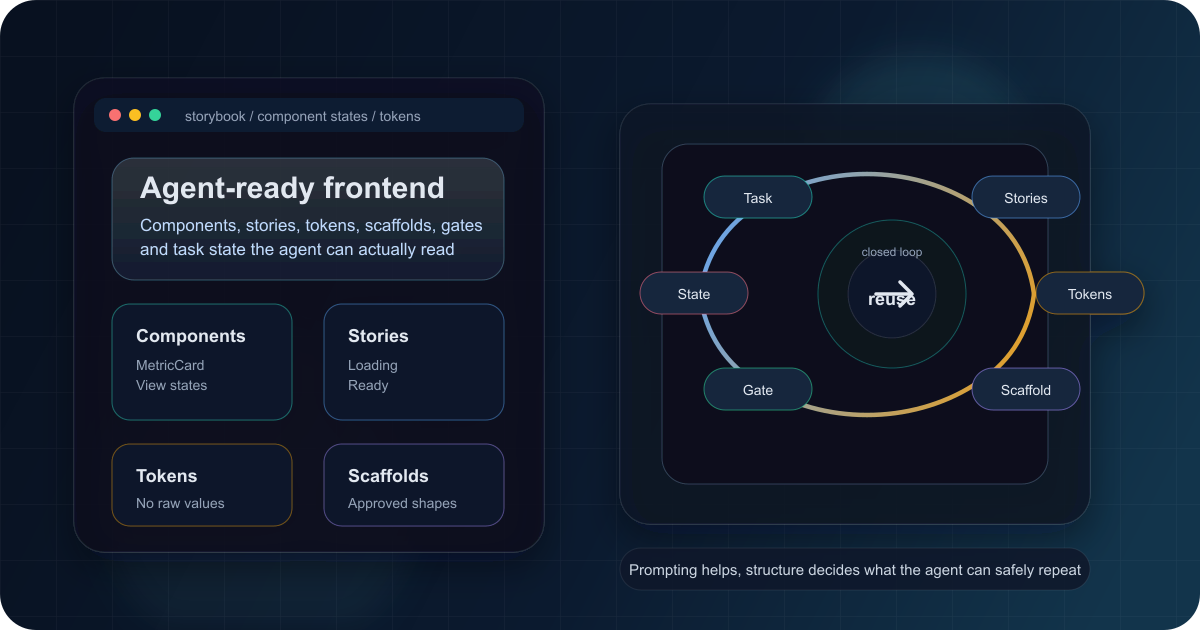
AI coding agents generate better frontend code when the codebase gives them reusable components, Storybook states, design tokens, scaffolds, validation gates, and durable task context they can retrieve instead of reinventing.
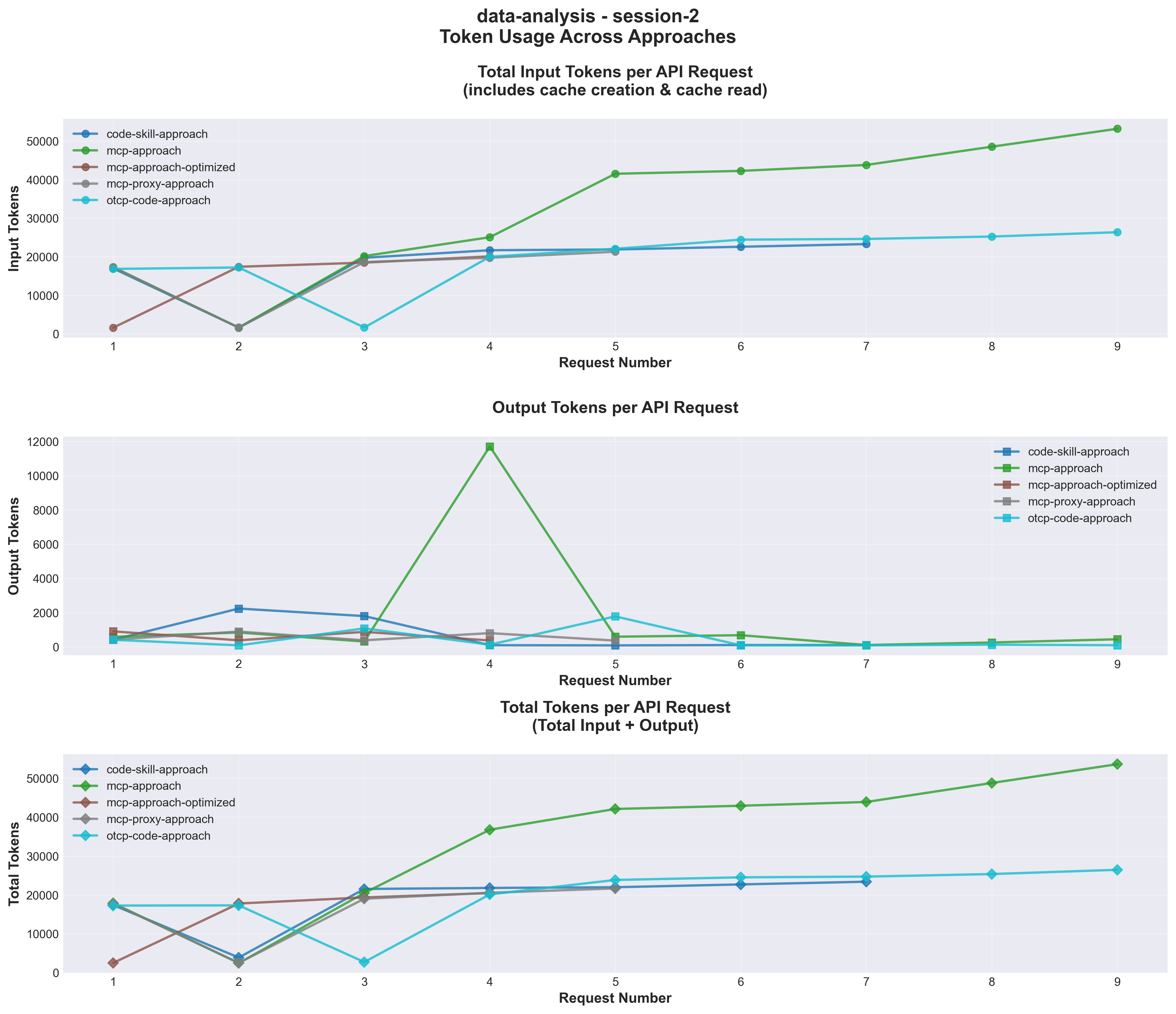
Token efficiency is a tool-architecture problem, not just prompt hygiene. Use Agiflow benchmark data, MCP guidance, and production measurement rules to reduce AI coding token use without hiding reliability costs.
Showing 11 to 20 of 25 articles