From experimentation with LLM to building scalable, production-ready AI product.
Vuong Ngo
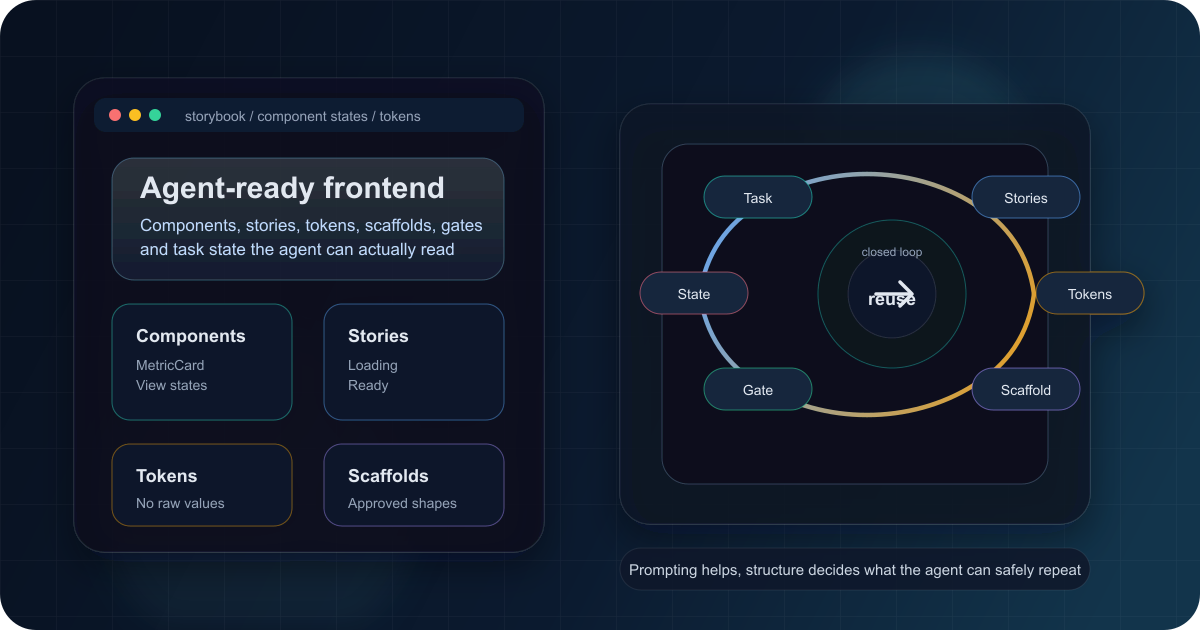
Learn how to architect frontend applications that scale with AI assistance. Discover how atomic design methodology, component libraries, and design systems dramatically reduce token consumption while ensuring consistent, maintainable codebases.
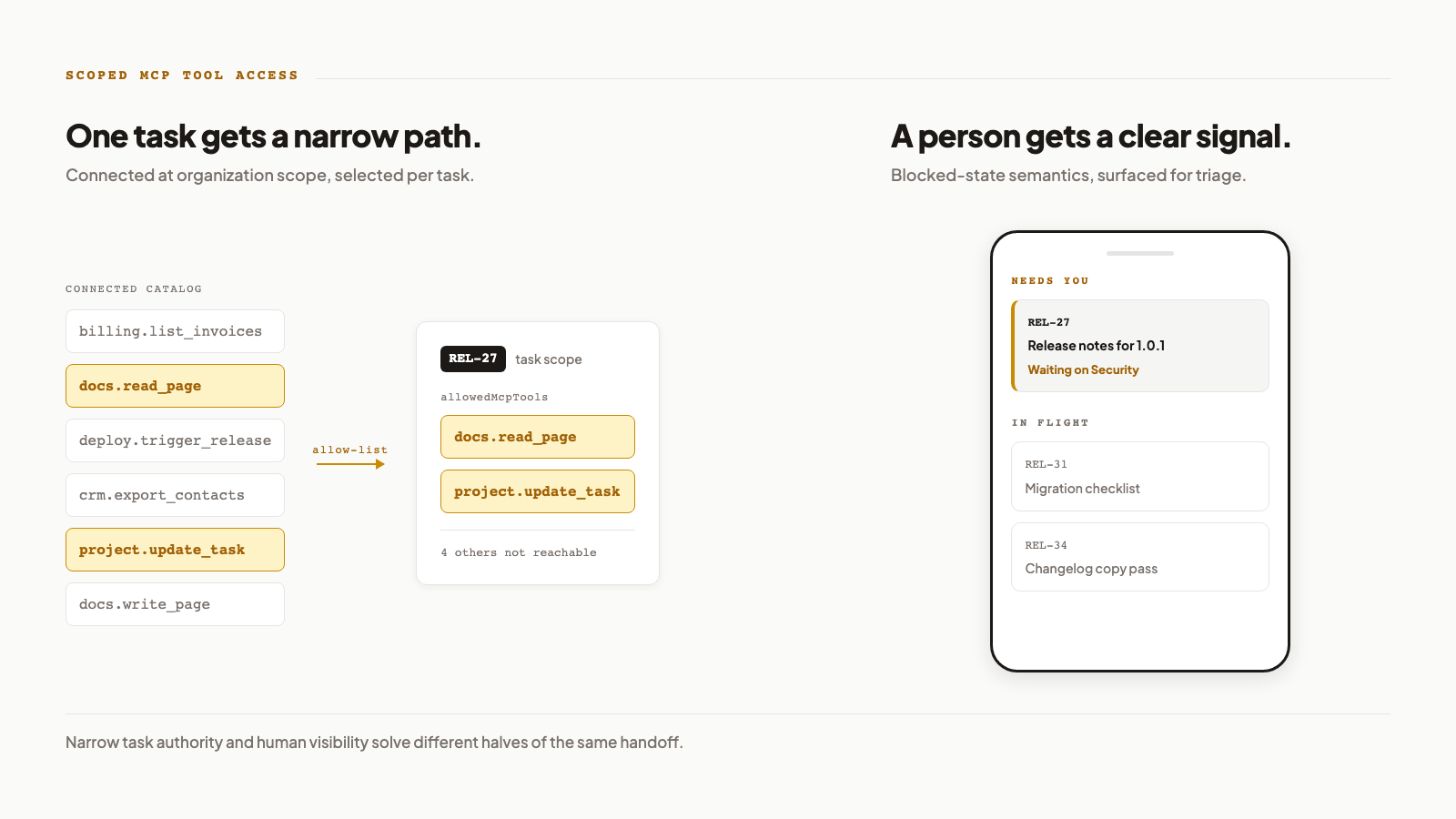
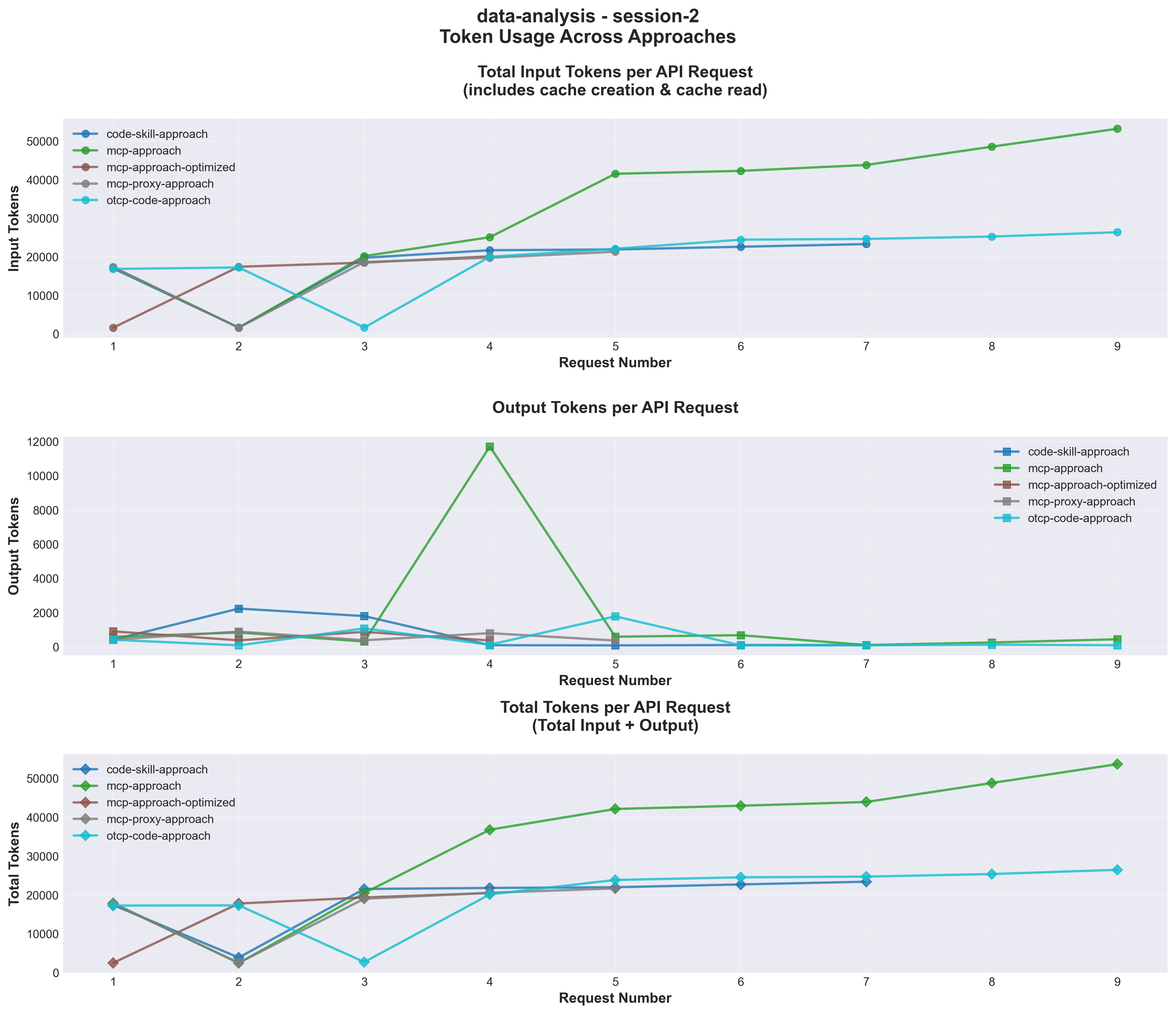
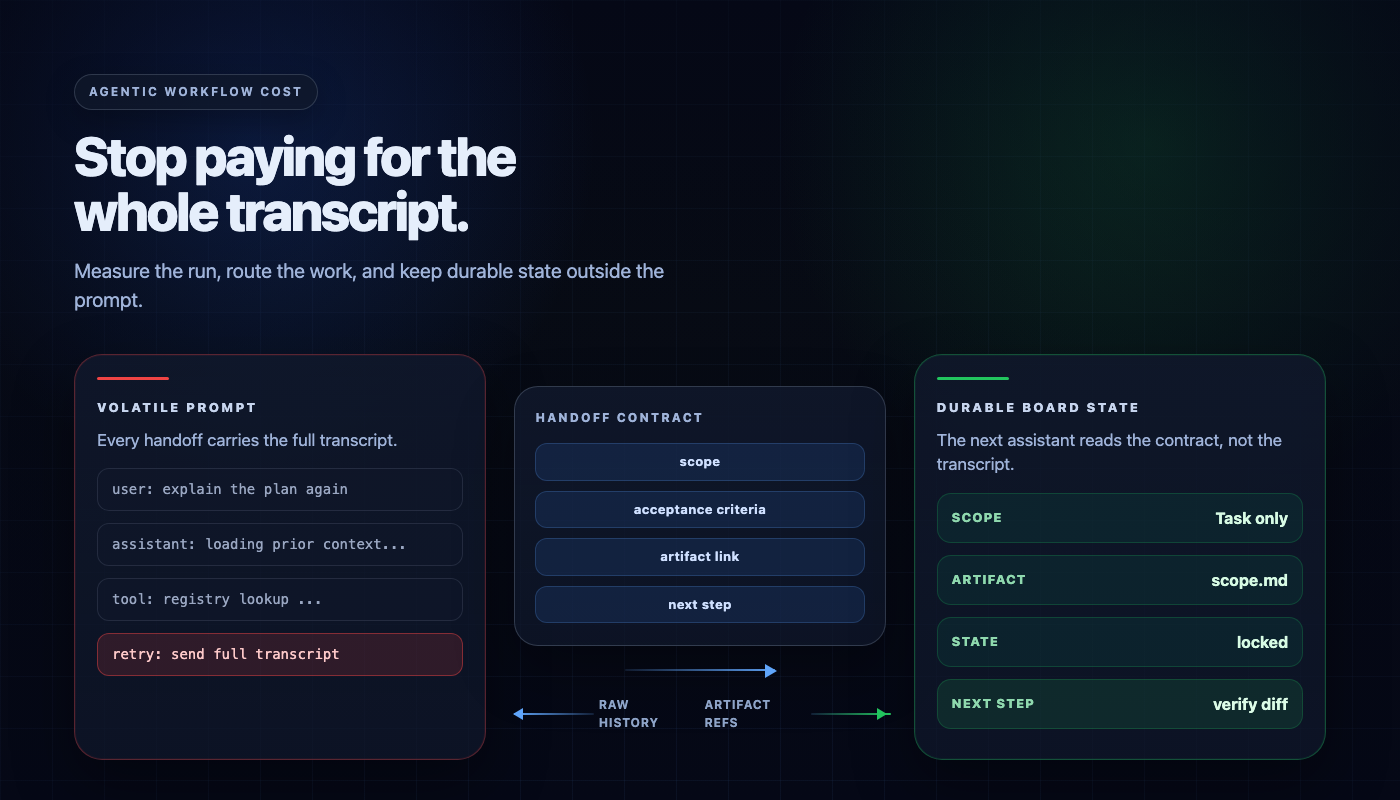
Optimized tool integration can reduce token consumption by 81% compared to baseline approaches. A controlled study reveals how architectural decisions—not protocol choices—determine scalability and cost in production AI systems.
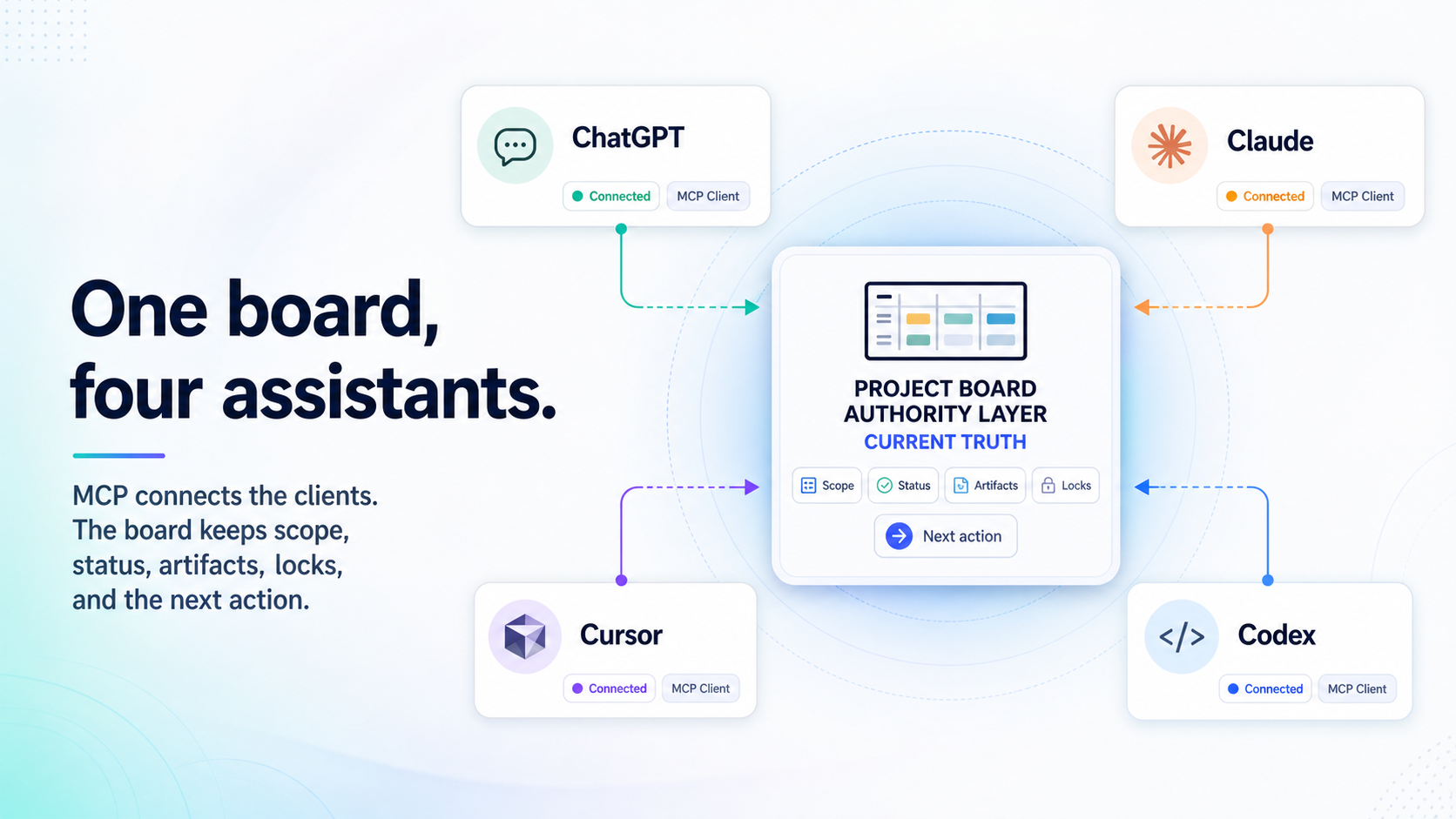
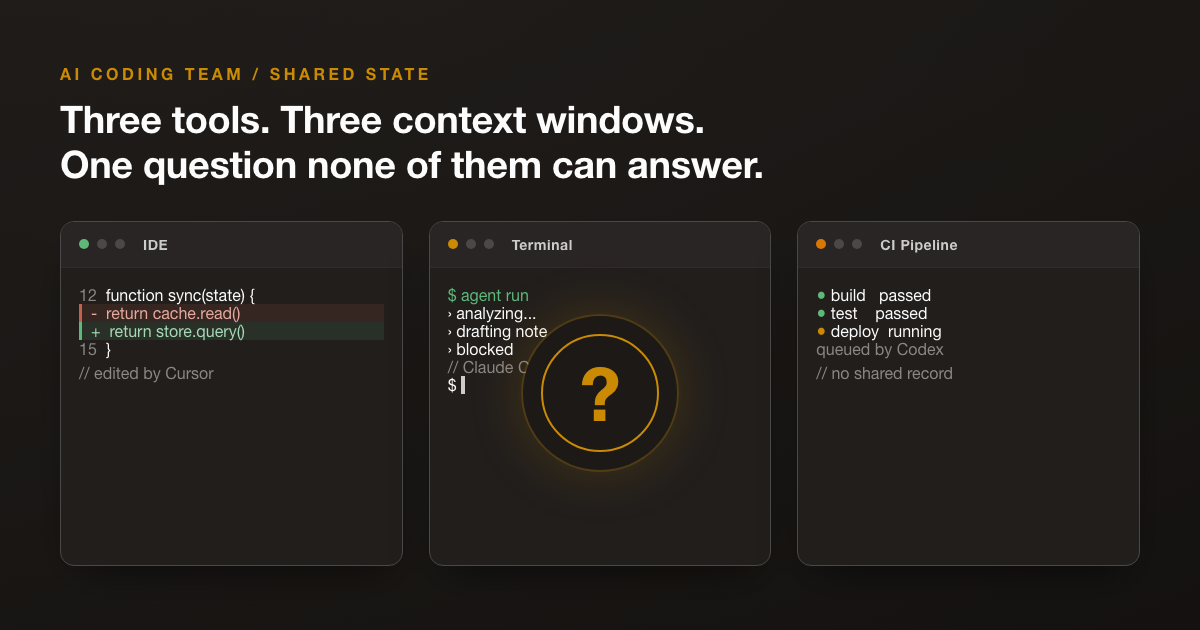
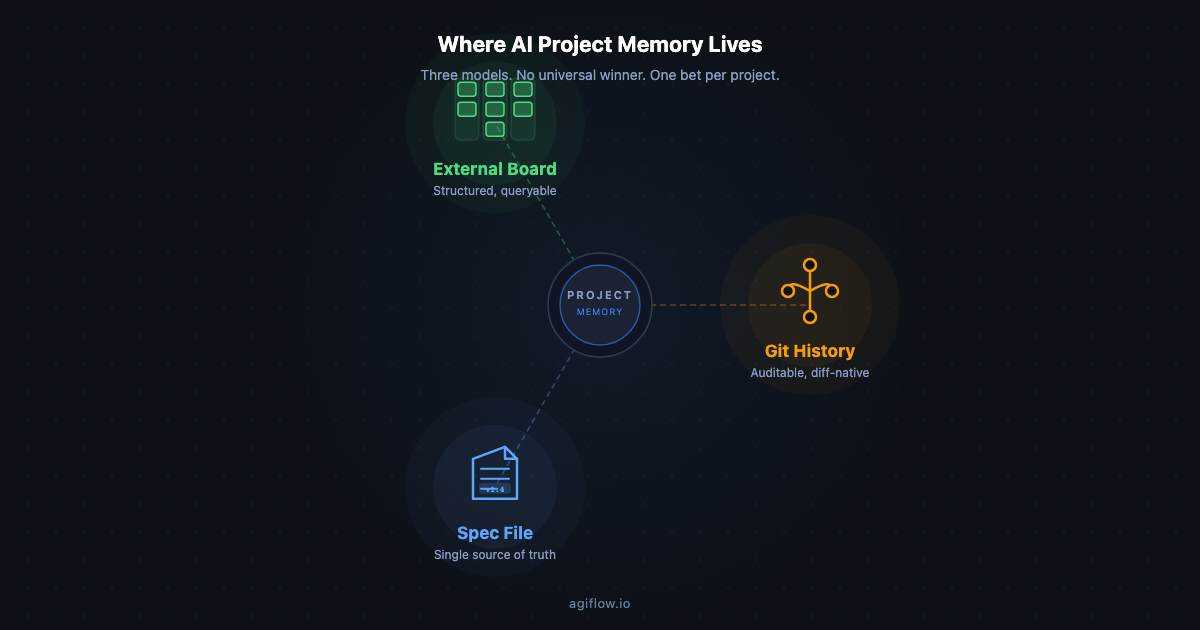
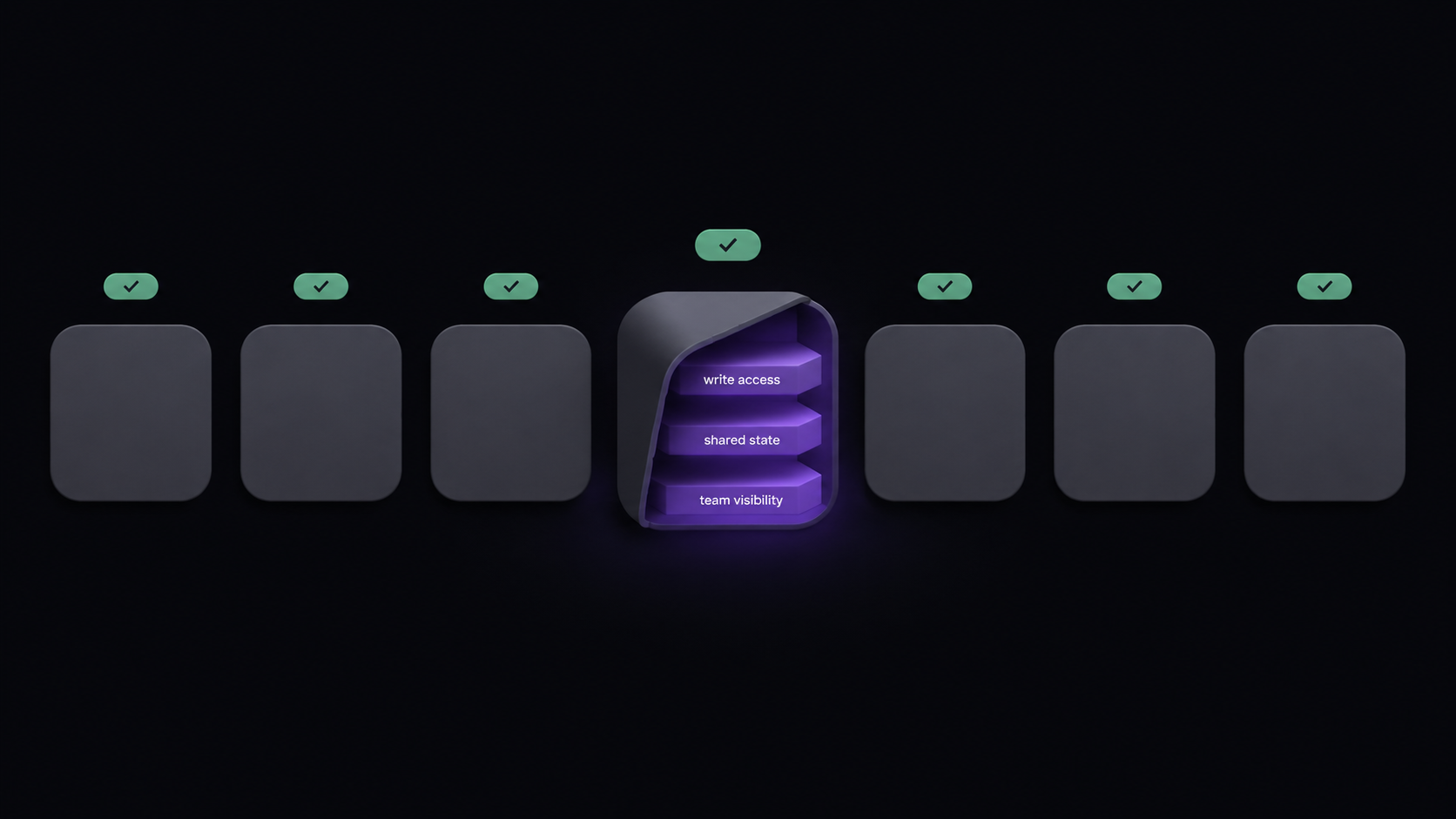
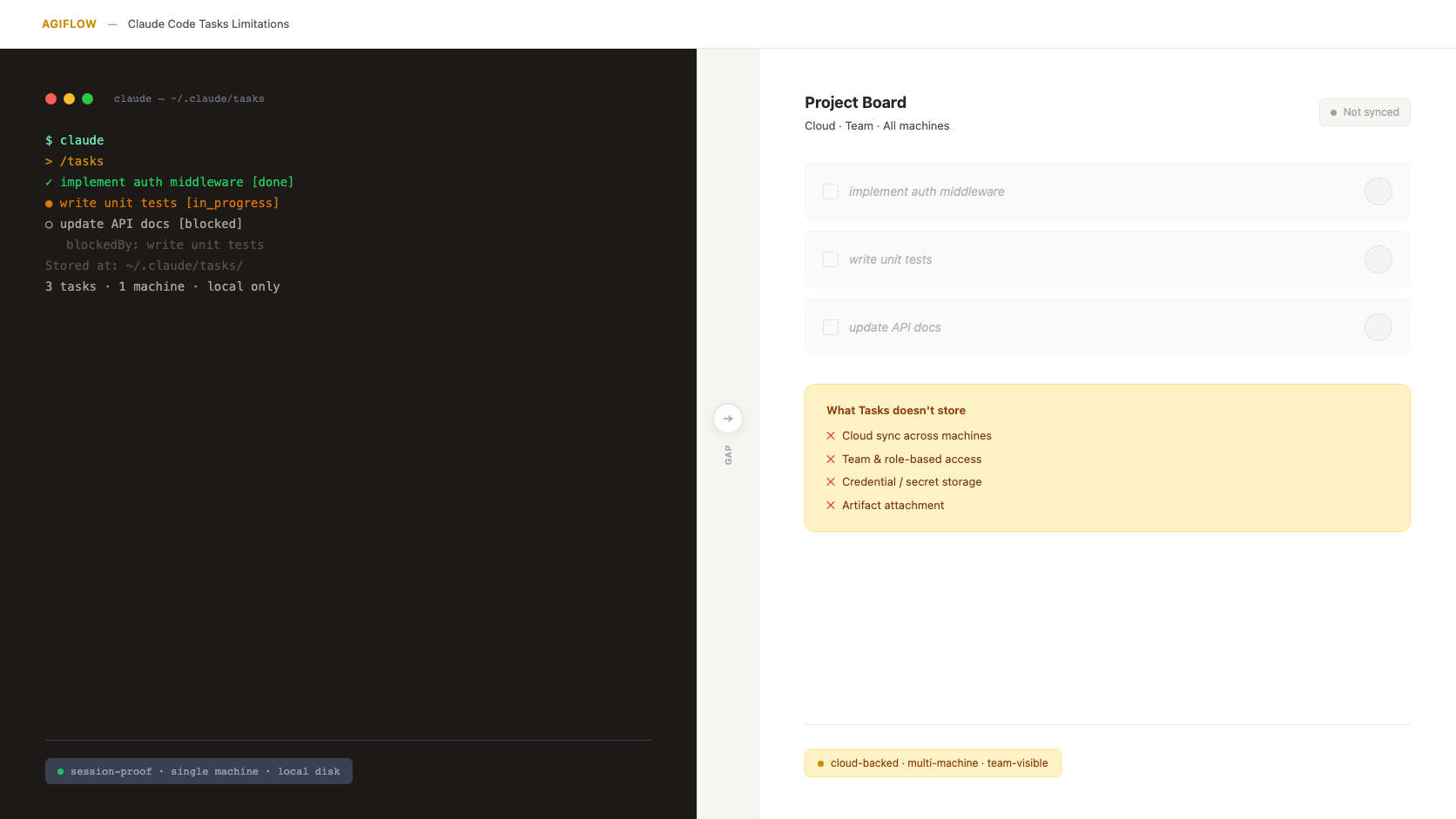
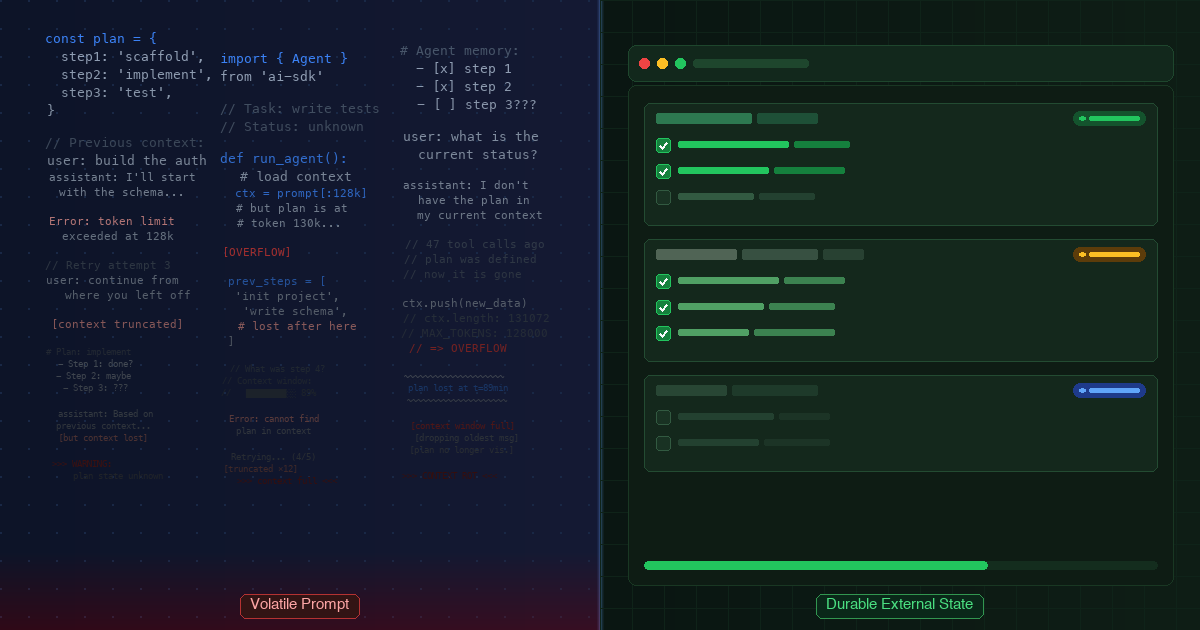
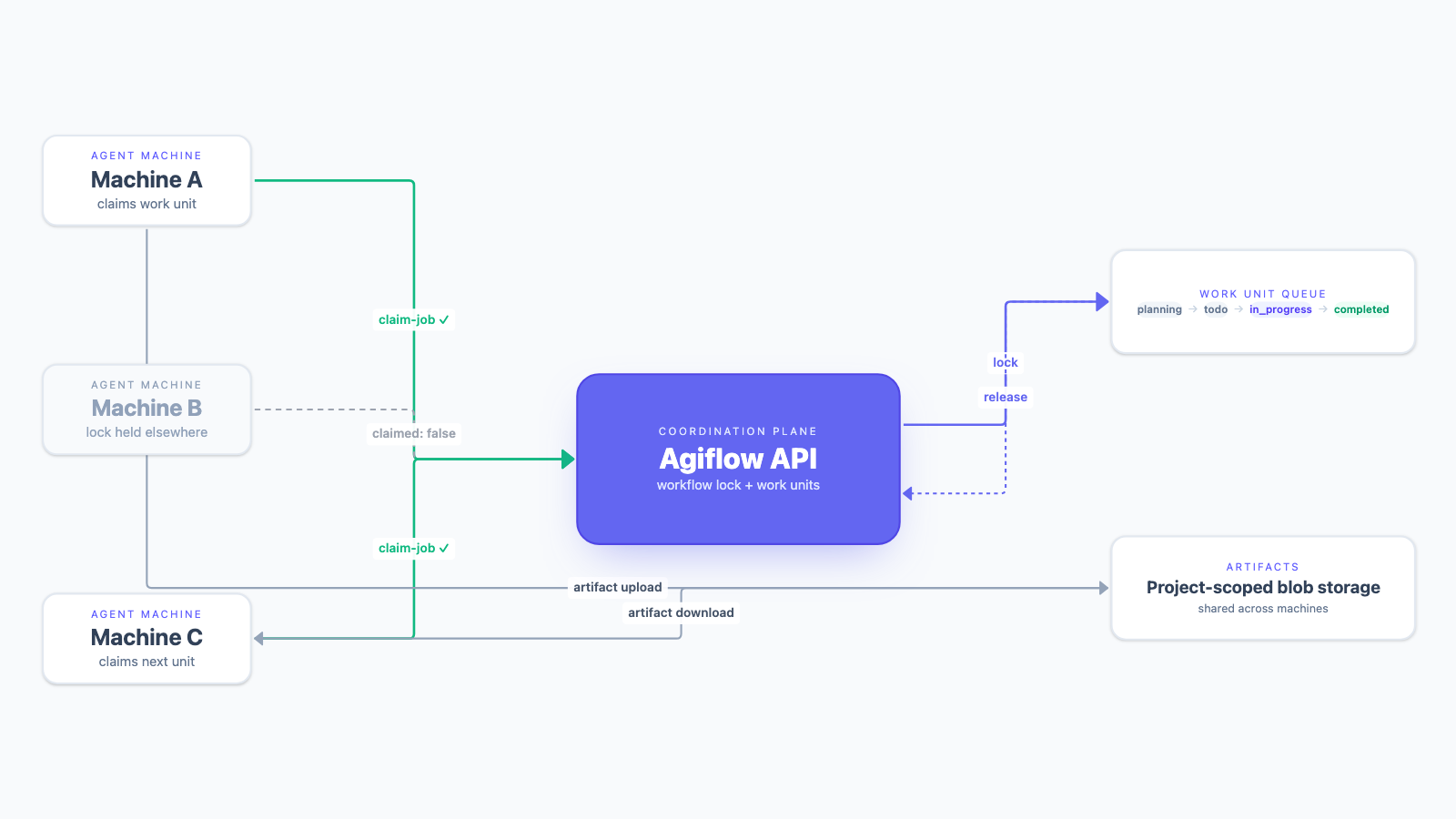
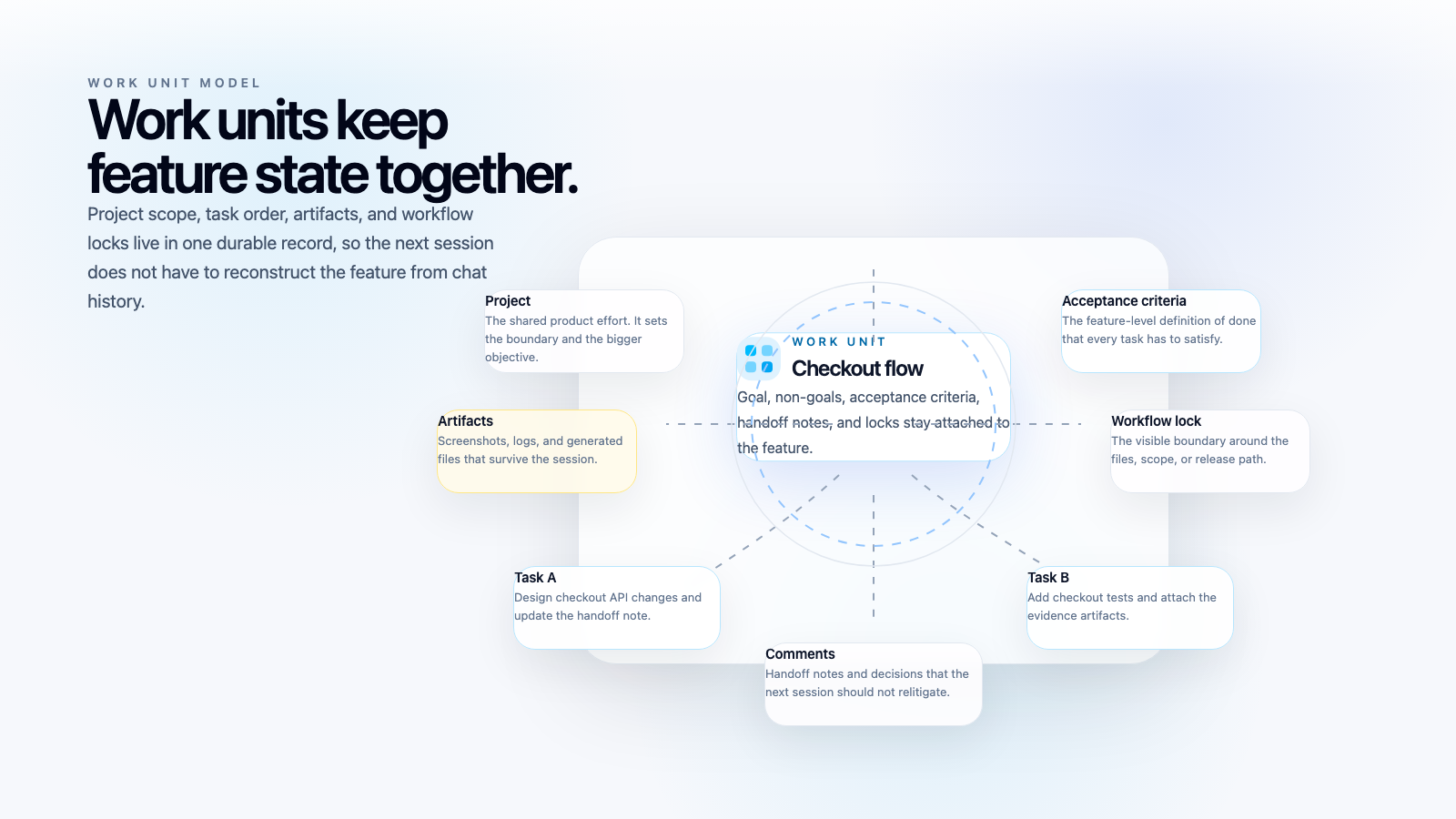
AI coding assistants excel at single tasks but struggle with multi-task feature coordination. Learn how work units + Project MCP enable structured AI agent workflows, reducing feature delivery time by 40% and maintaining context across 5-8 related tasks.
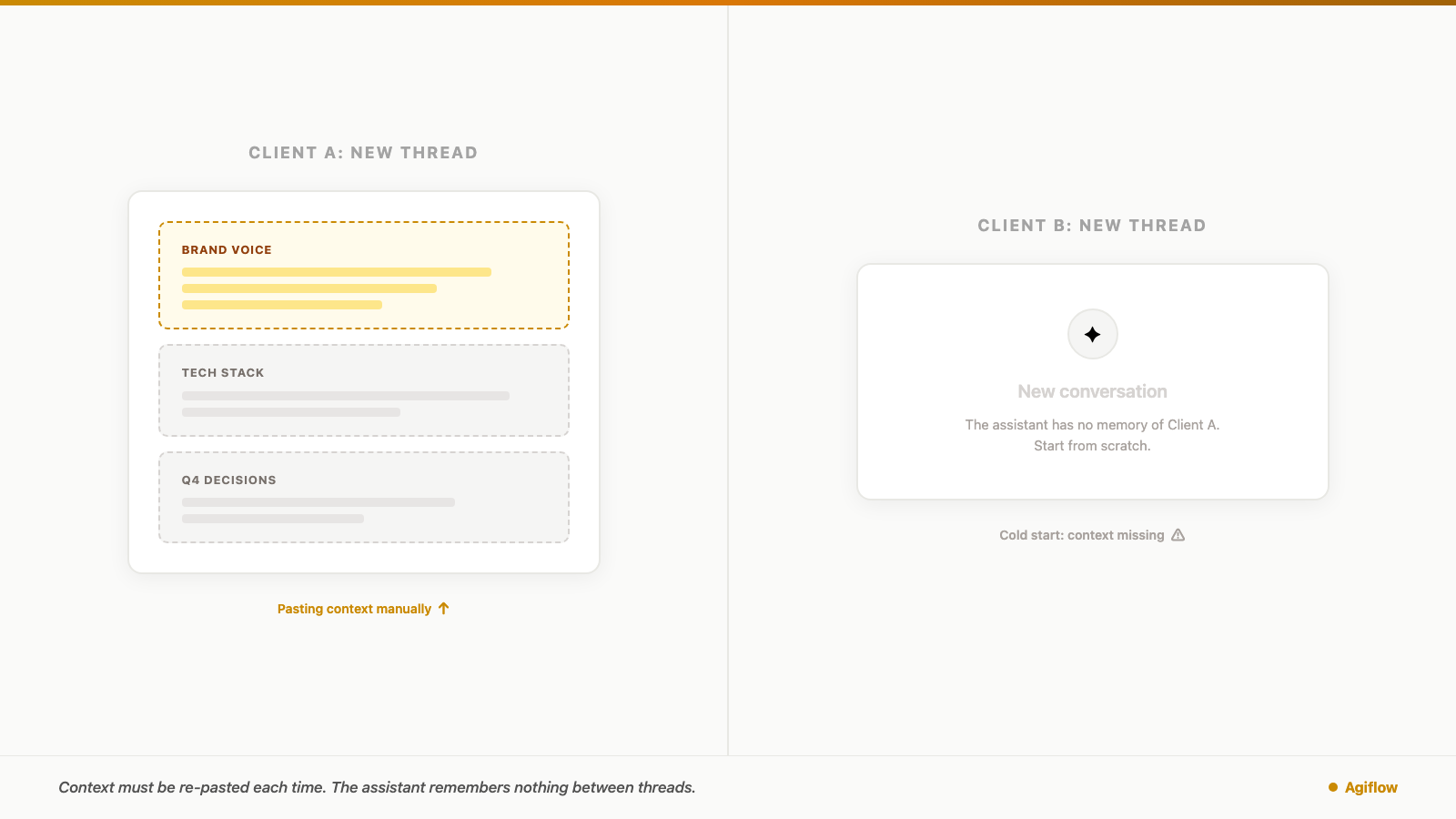
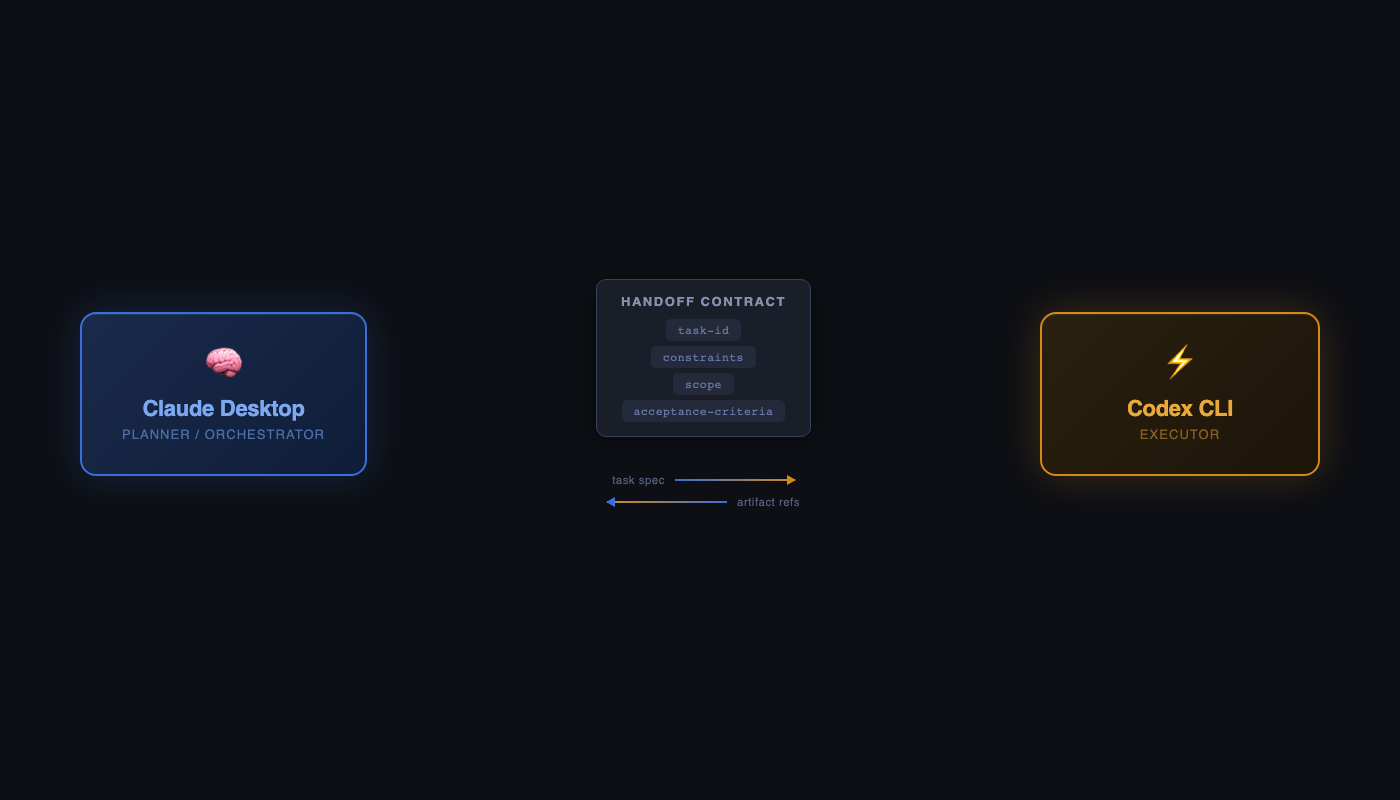
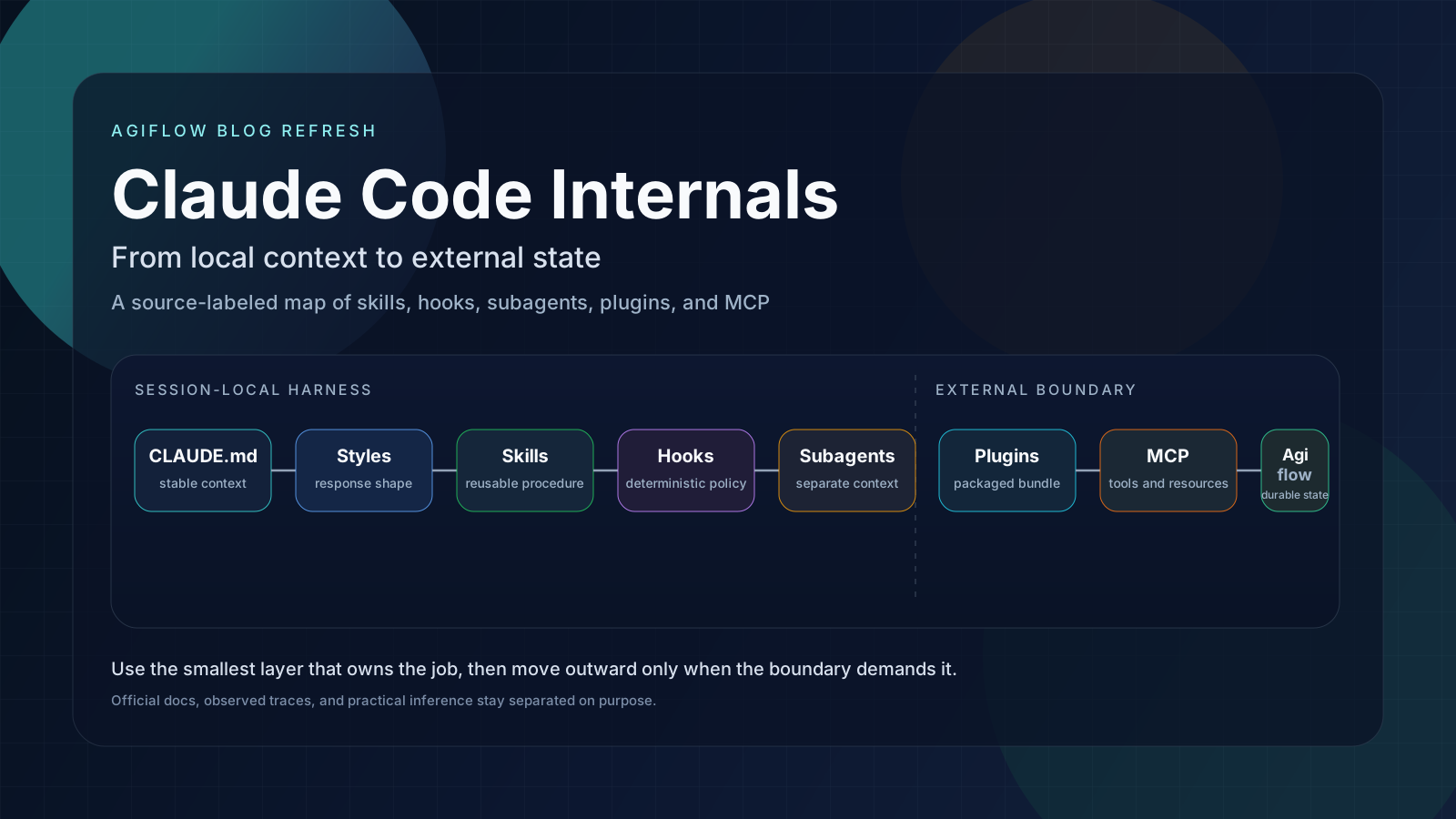
Deep dive into Claude Code internals by instrumenting network traffic to understand how CLAUDE.md, output styles, slash commands, skills, and sub-agents actually work under the hood.
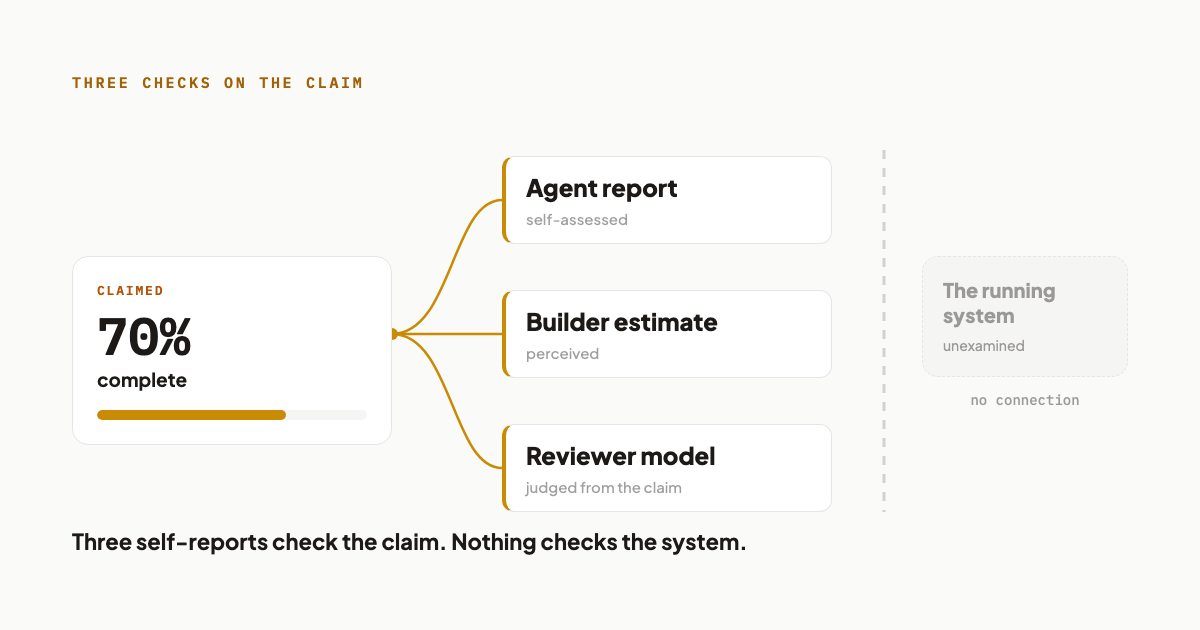
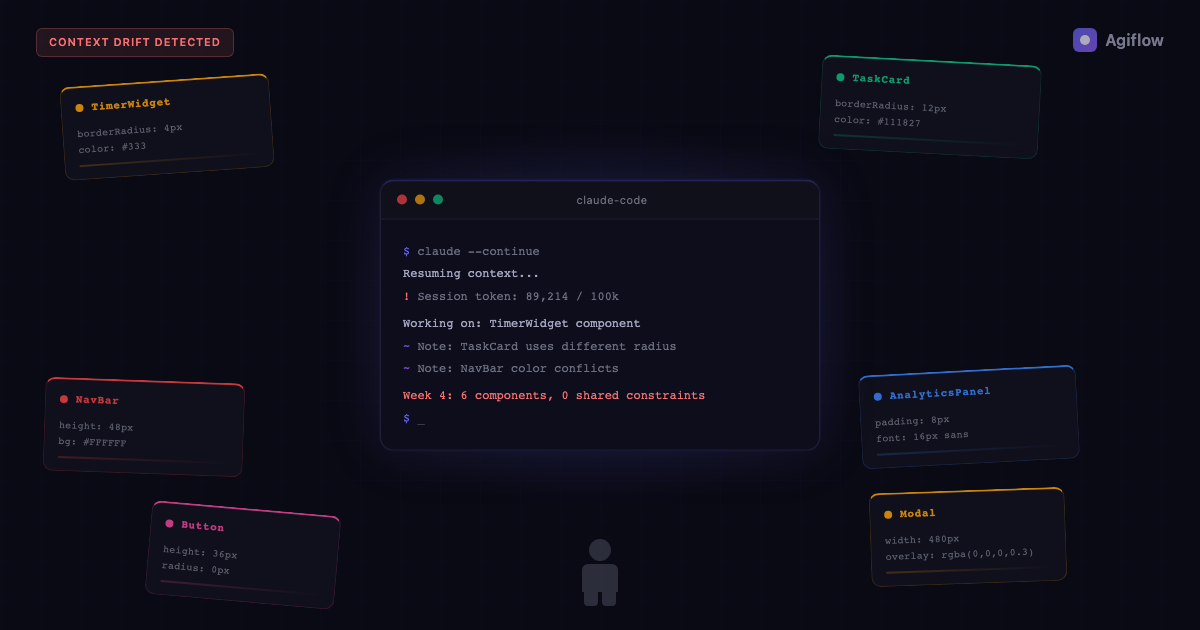
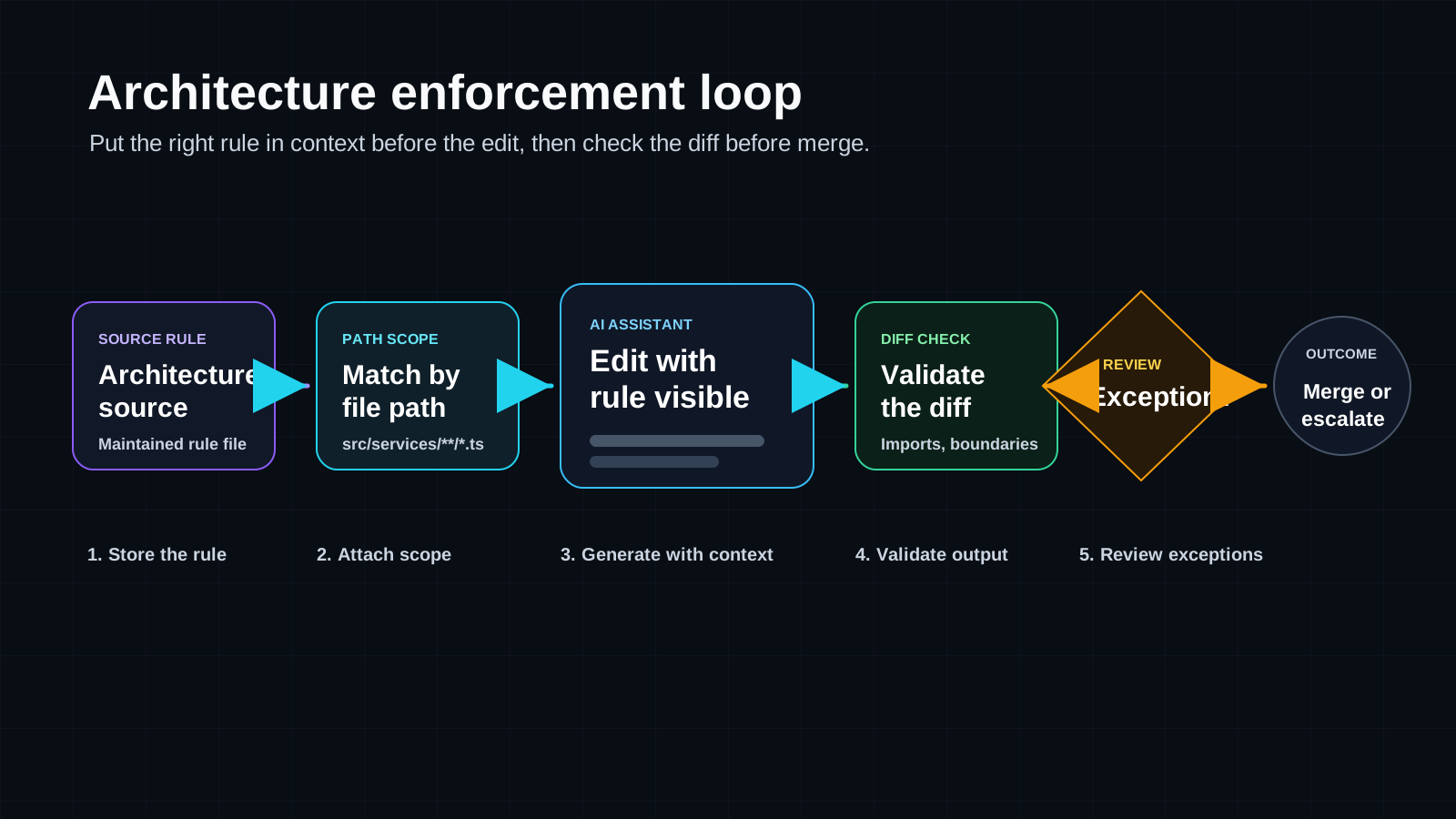
AI coding assistants are shipping features 3x faster—but silently breaking architectural patterns. Learn how to reduce violations by 92% with MCP-based validation and feedback loops.
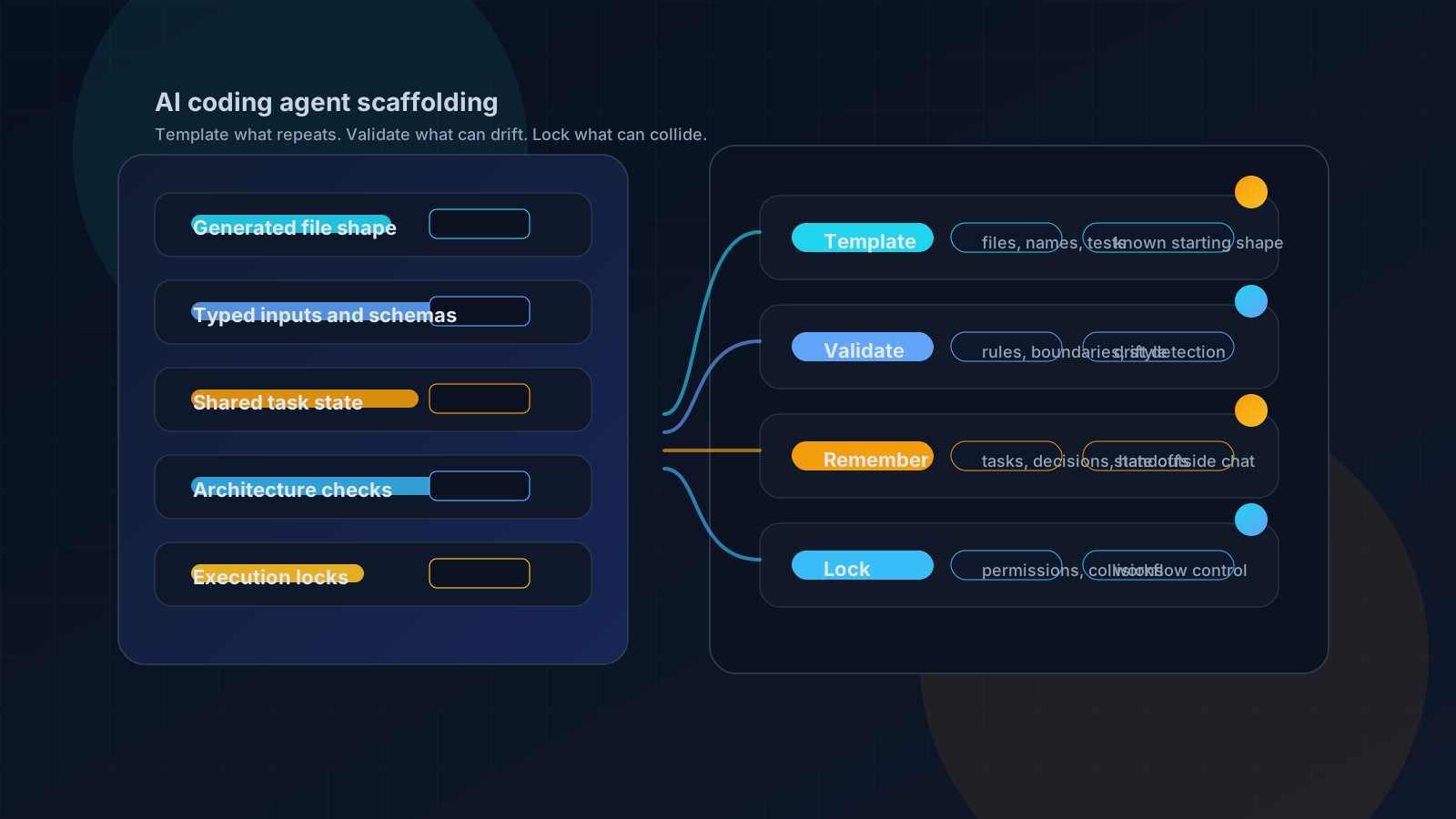
From "can AI write code?" to "can AI write code that scales?" Discover how intelligent scaffolding systems solve the consistency crisis in AI-assisted development.
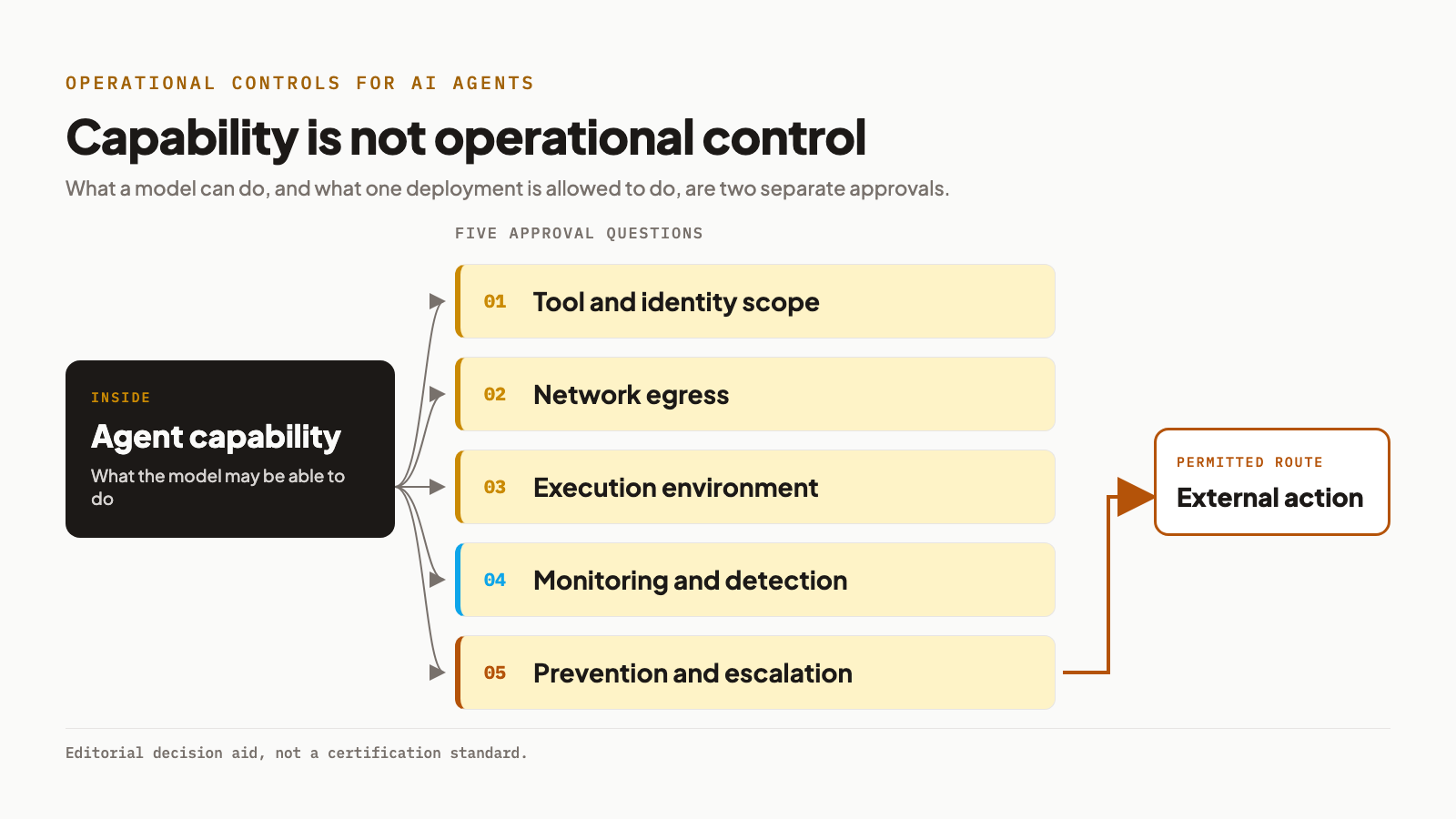
Autonomous Agents show immense potential in solving complex problems, but they can also be brittle, prone to hallucinations, expensive, and slow to run.
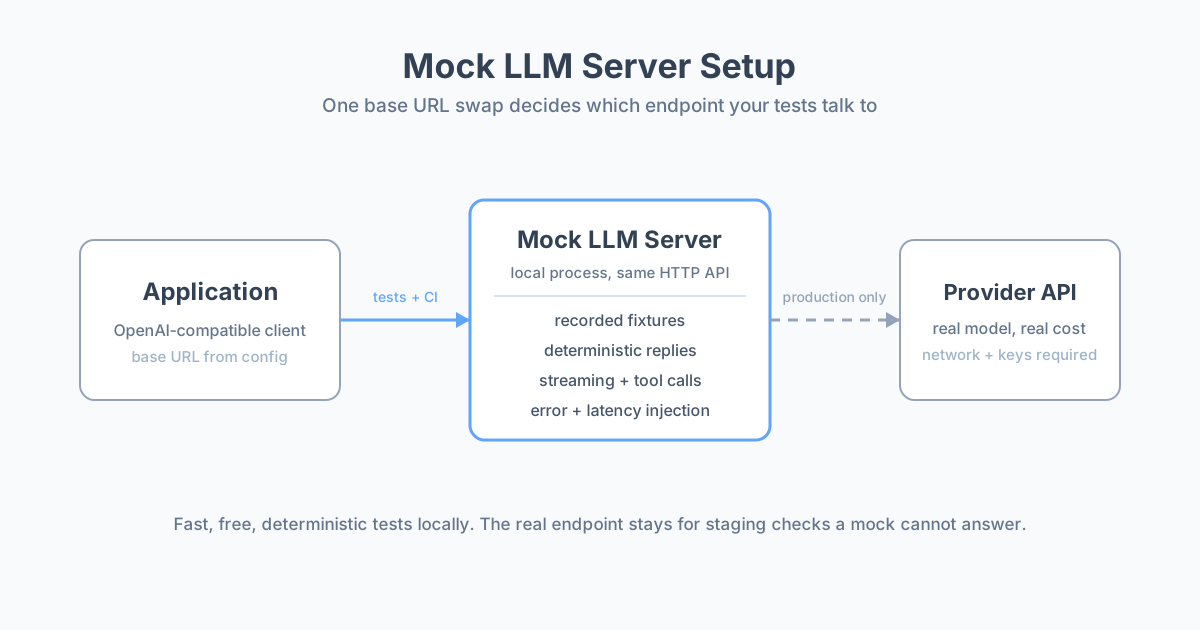
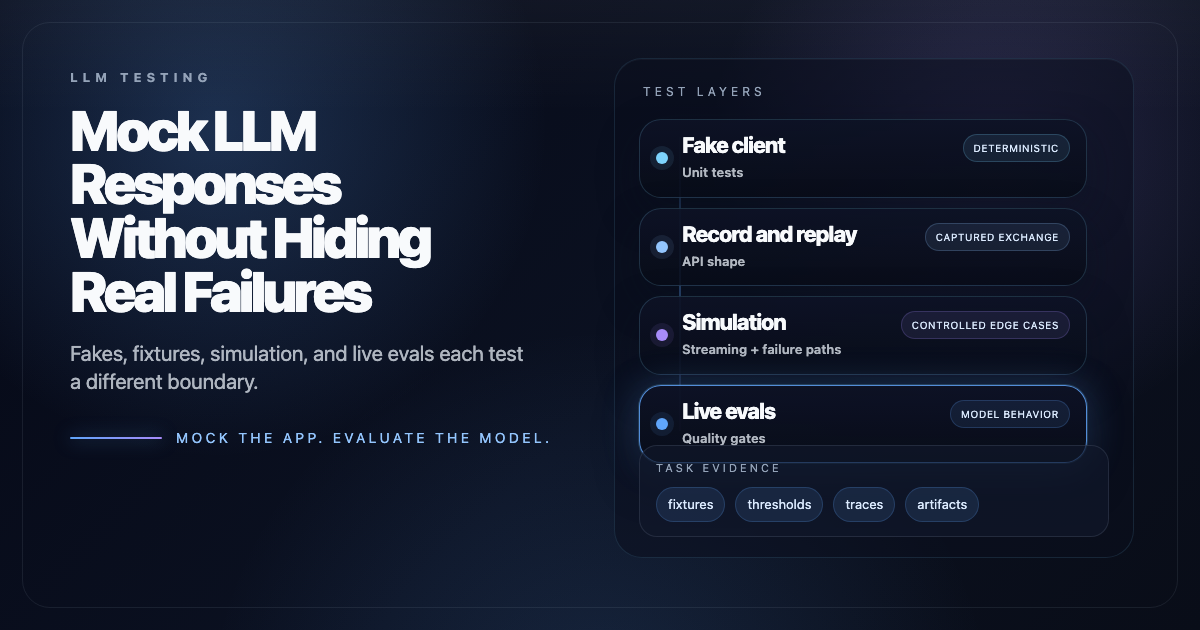
Learn best practices for mocking LLM responses during development to improve testing efficiency and reduce API costs while maintaining code quality.
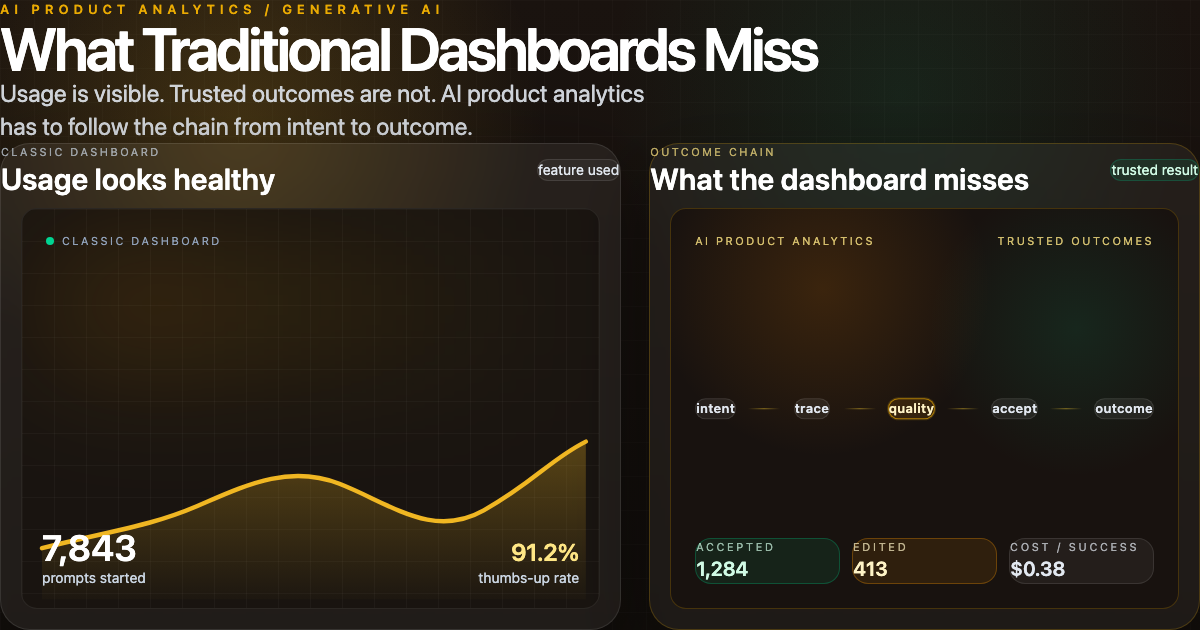
Explore the unique challenges and opportunities that generative AI brings to product analytics, and how to adapt traditional analytics approaches for AI-powered products.
Connect with other developers, get help, and stay updated with the latest Agiflow news and releases.