AI Agent Secrets Management After the Bitwarden CLI Attack
AI agent secrets management starts by shrinking what the agent host can see, then moving raw values into runtime delivery or workload identity when the task needs stronger boundaries.
Independent essays and evidence-led notes on freelance work, research, and accountable handovers.
10 articles on this page
AI agent secrets management starts by shrinking what the agent host can see, then moving raw values into runtime delivery or workload identity when the task needs stronger boundaries.
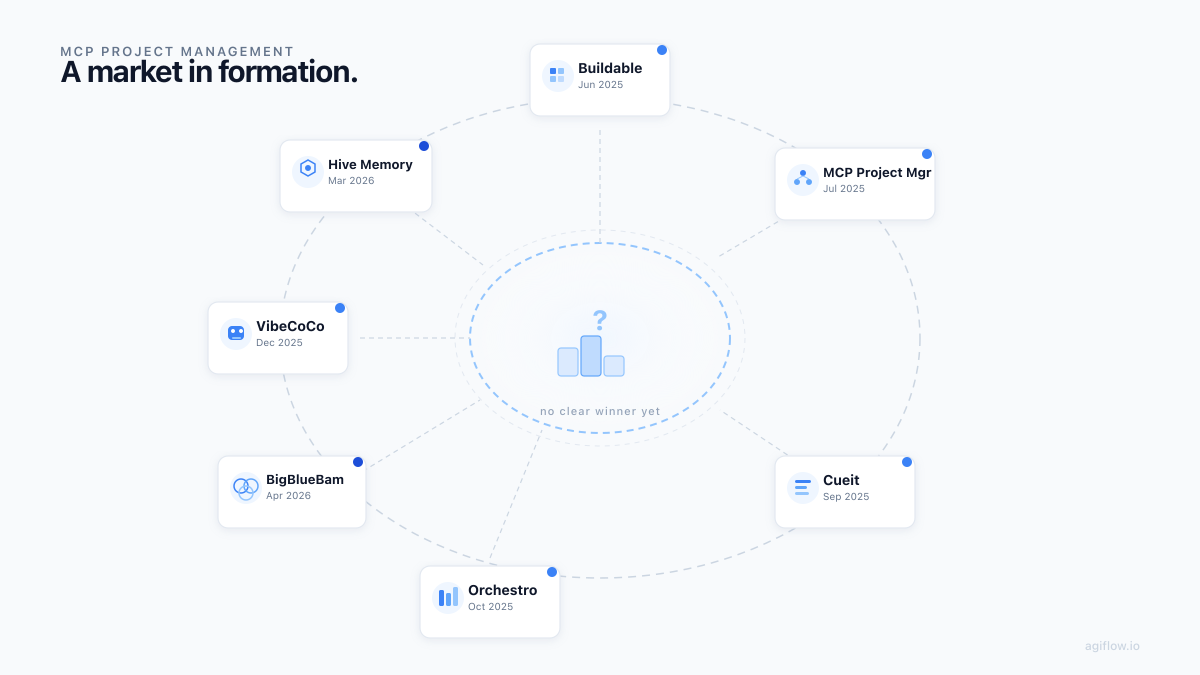
MCP project management tools are forming around durable project state for external AI assistants. Here is the launch evidence, safety checklist, and where Agiflow fits.
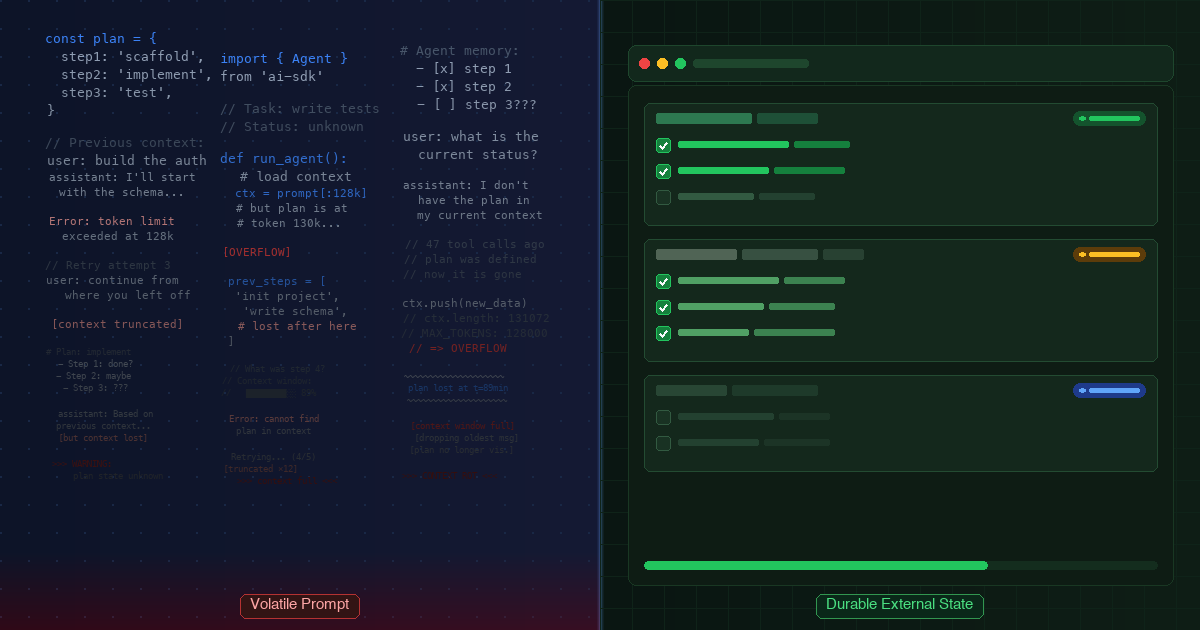
AI coding agents lose context when the prompt becomes both working memory and system of record. The durable fix is task state: scope, criteria, tests, status, artifacts, and handoff notes.
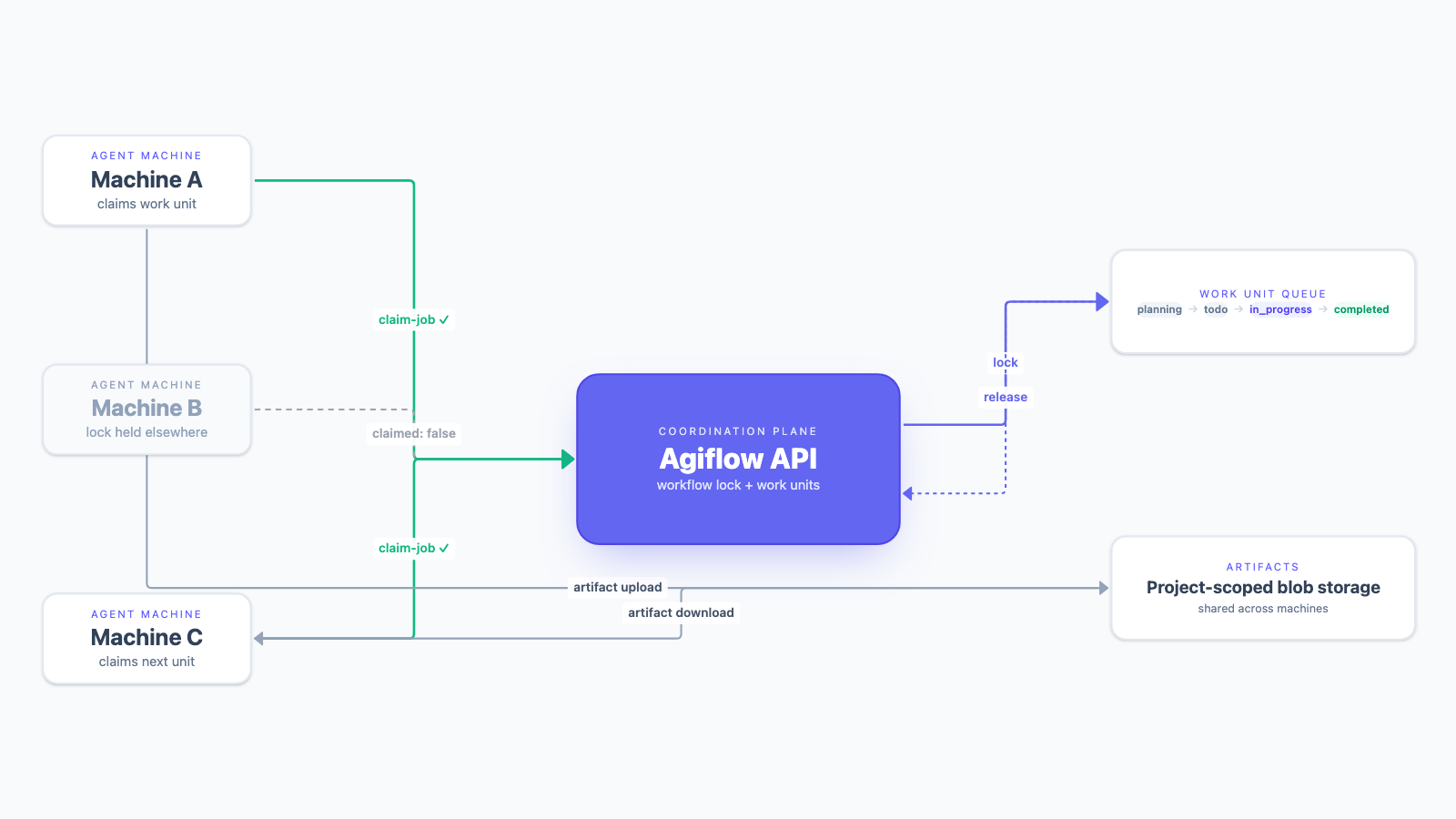
More AI coding agents only help when ownership, state, and proof survive outside a single session. This refreshed guide shows how Agiflow uses CLI runners, workflow locks, atomic claims, device identity, and artifacts to coordinate agent work across machines without duplicate branches or lost handoffs.
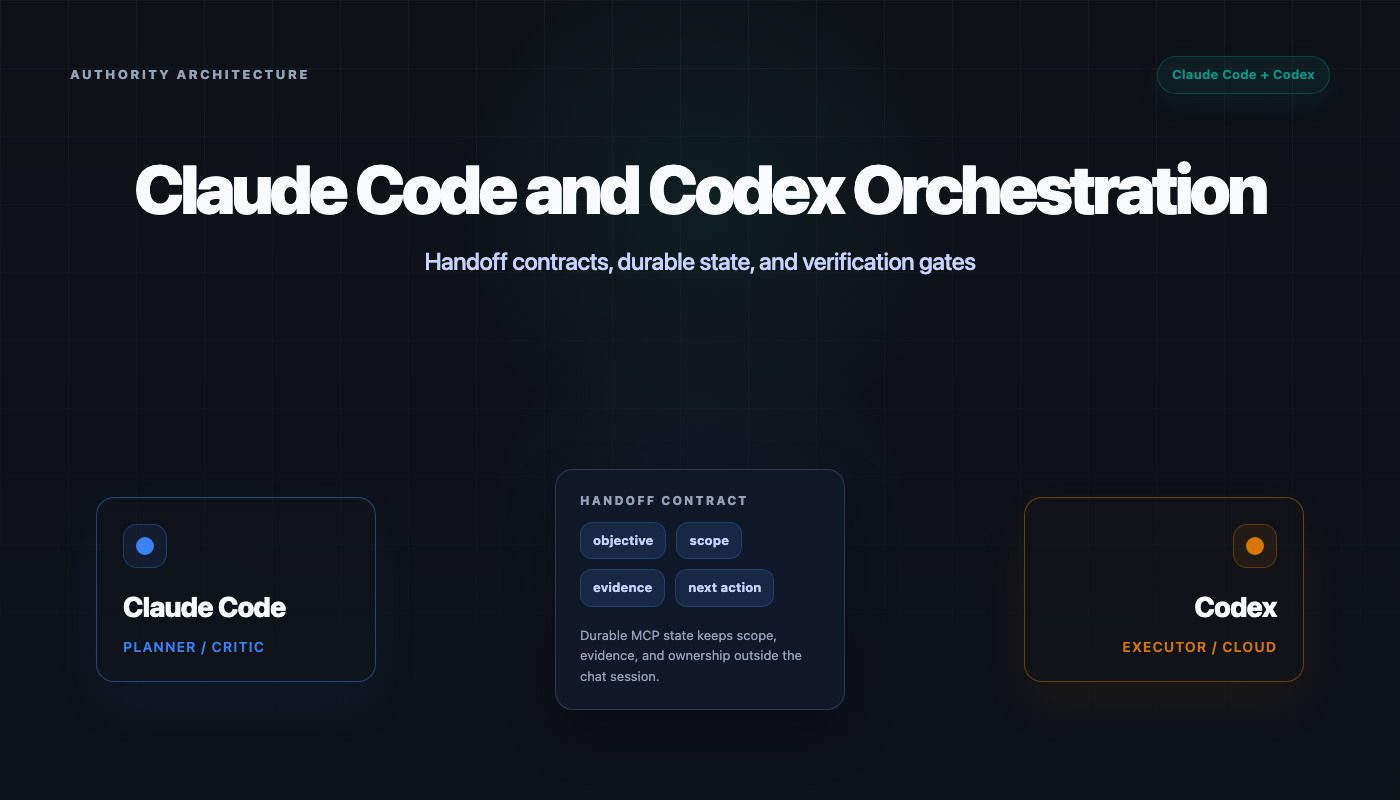
A practical guide to Claude Code and Codex orchestration, with role boundaries, evidence-based handoff contracts, MCP project state, and verification gates.
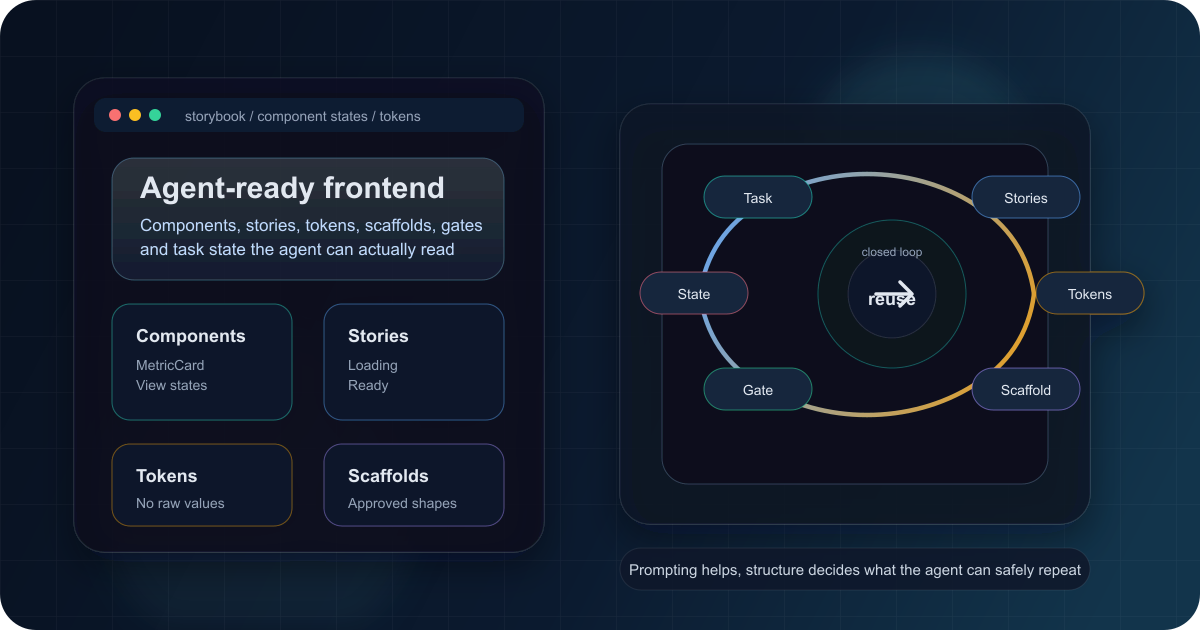
AI coding agents generate better frontend code when the codebase gives them reusable components, Storybook states, design tokens, scaffolds, validation gates, and durable task context they can retrieve instead of reinventing.
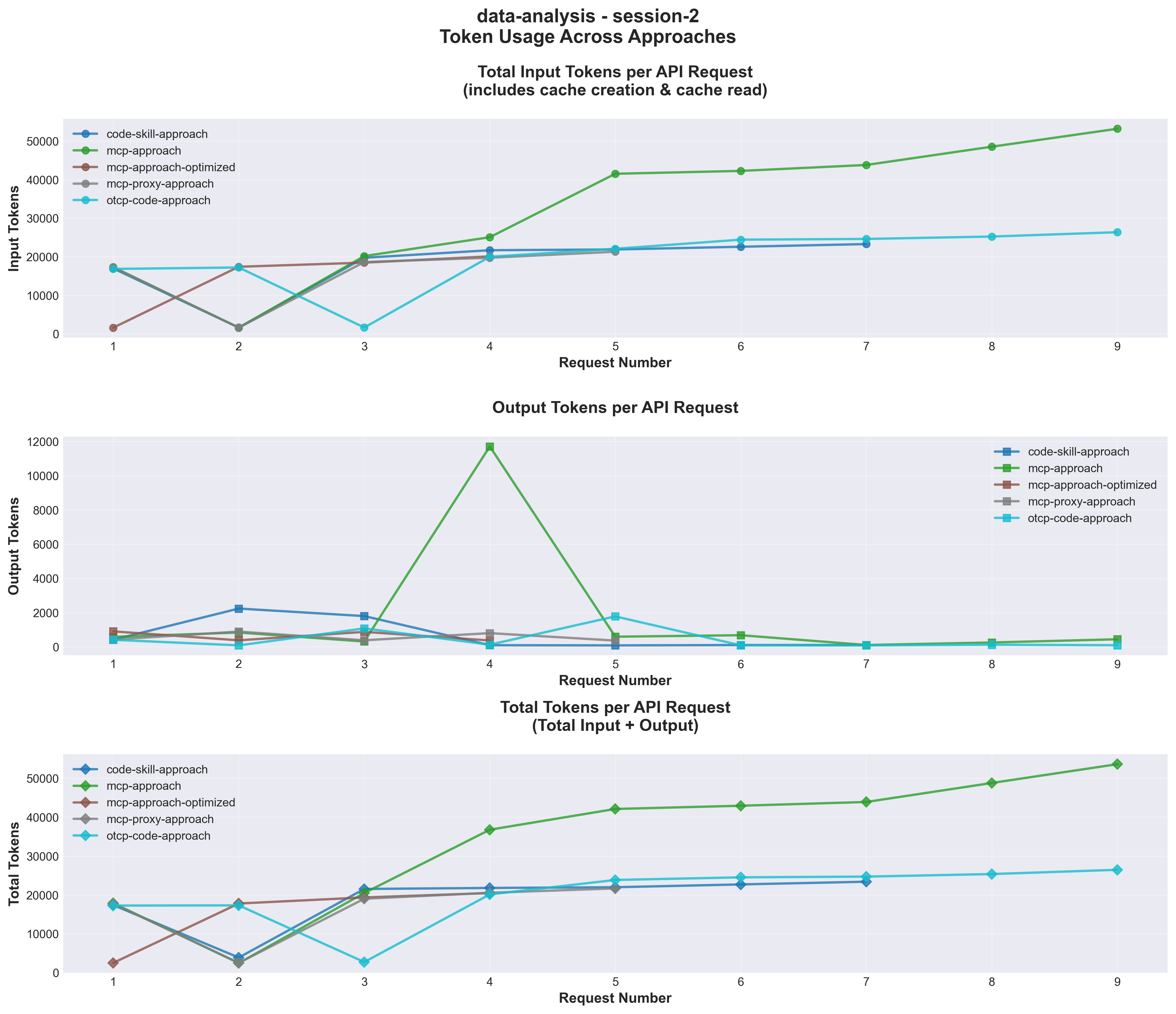
Token efficiency is a tool-architecture problem, not just prompt hygiene. Use Agiflow benchmark data, MCP guidance, and production measurement rules to reduce AI coding token use without hiding reliability costs.
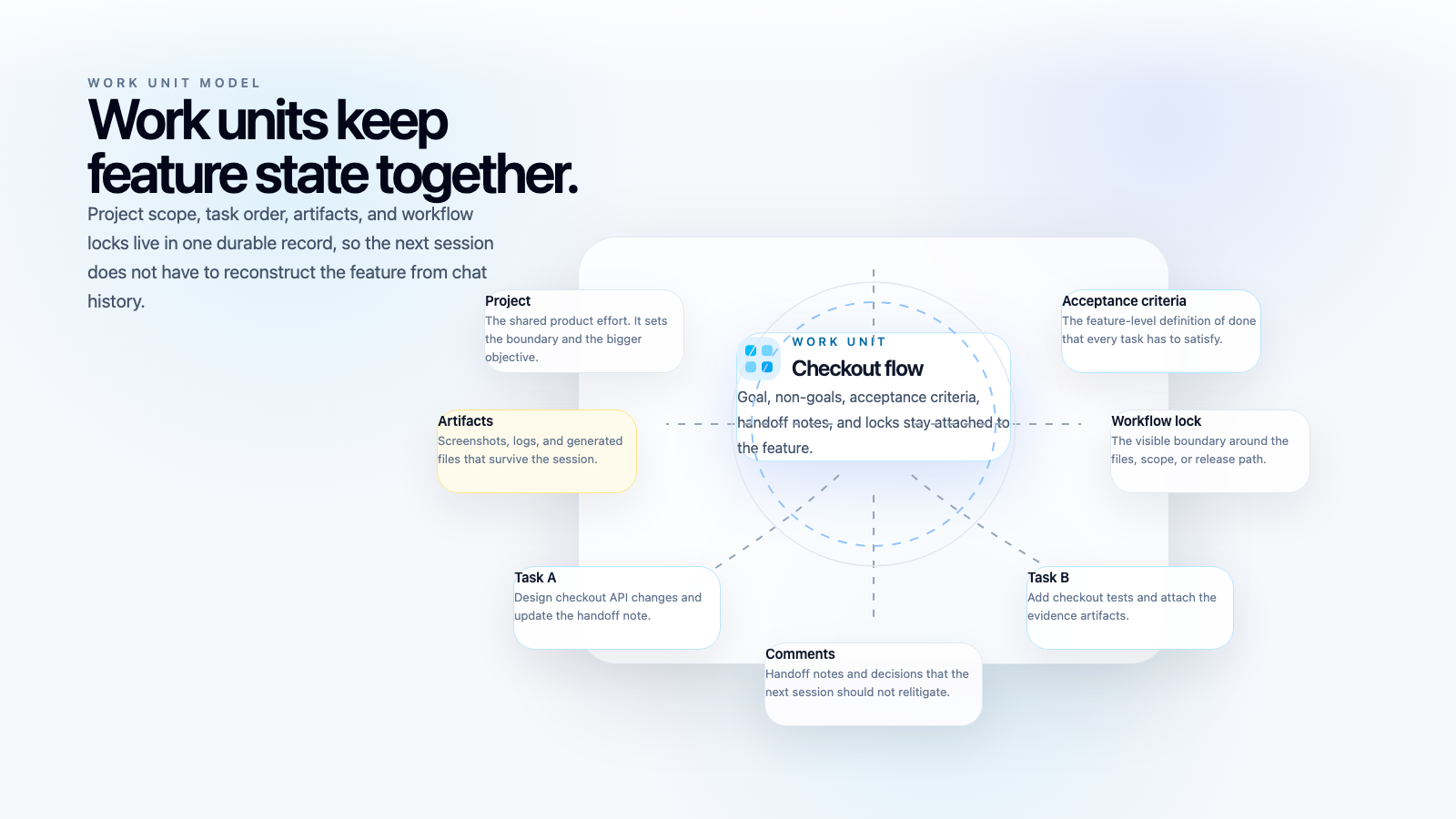
AI coding agents do not need a longer chat transcript to finish multi-task features. They need a durable work unit that keeps scope, tasks, acceptance criteria, artifacts, decisions, and locks outside the model context window and available through scoped MCP access.
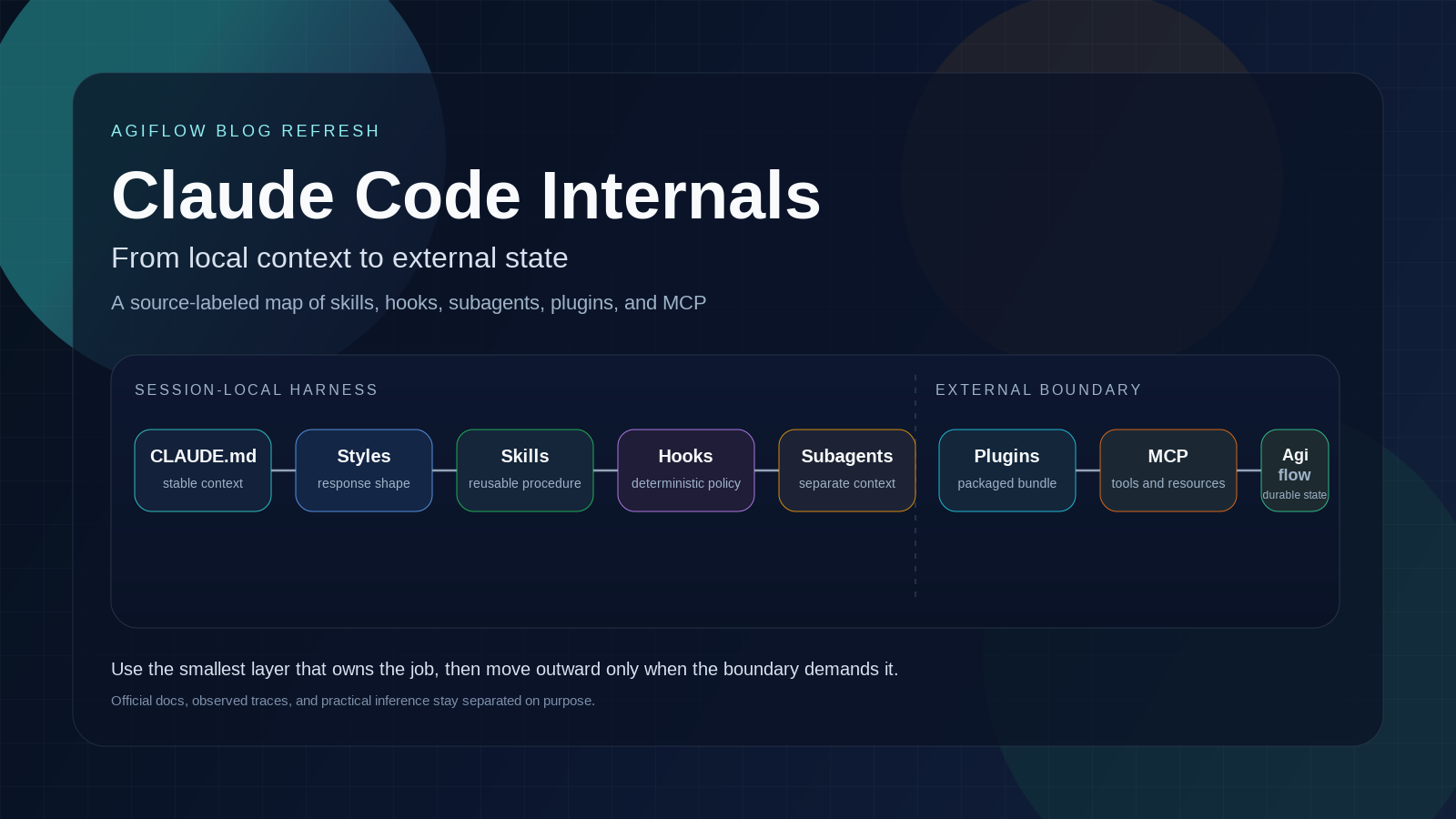
A July 2026 refresh of Claude Code internals, separating official docs, first-party network traces, third-party analysis, and practical inference across CLAUDE.md, skills, hooks, subagents, plugins, and MCP.
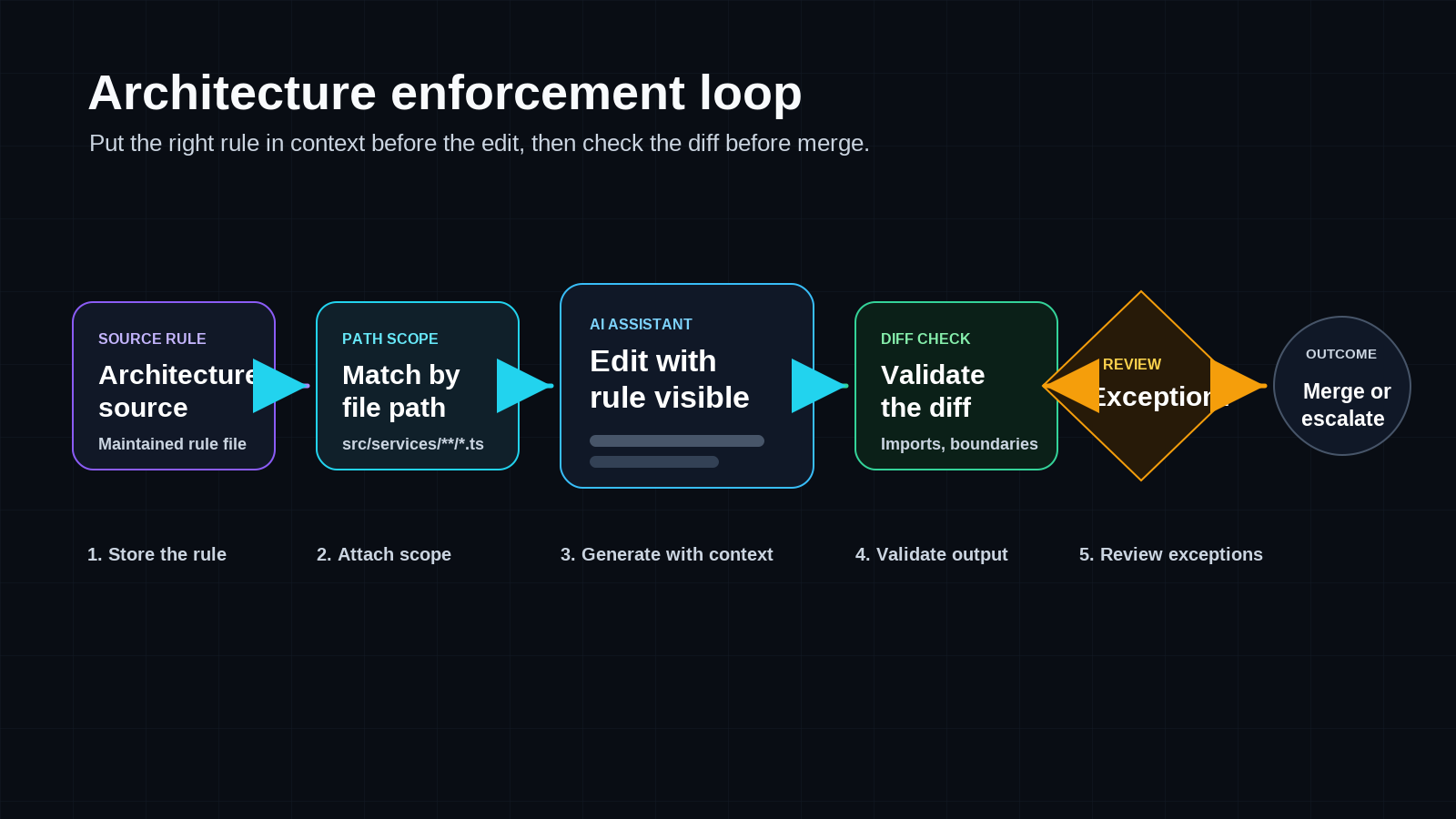
AI coding assistants drift when rules live only in broad prompts. Use before-edit guidance, after-diff validation, and durable Agiflow task state to keep generated code inside your architecture.
Showing 41 to 50 of 54 articles