AI Agent Approvals That Hold Up: 5 Lessons From Meta's Muse
Five lessons from Meta Muse show why agent approvals need an independent authority, readable scope, and recoverable evidence. Apply the five-field receipt.
Independent essays and evidence-led notes on freelance work, research, and accountable handovers.
10 articles on this page
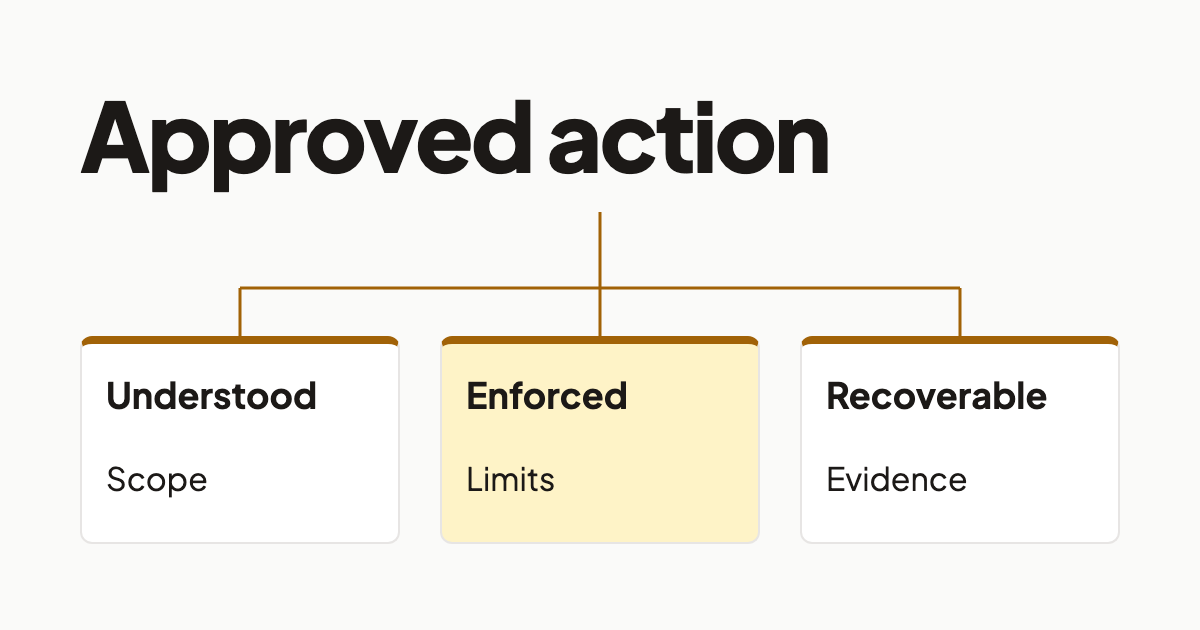
Five lessons from Meta Muse show why agent approvals need an independent authority, readable scope, and recoverable evidence. Apply the five-field receipt.
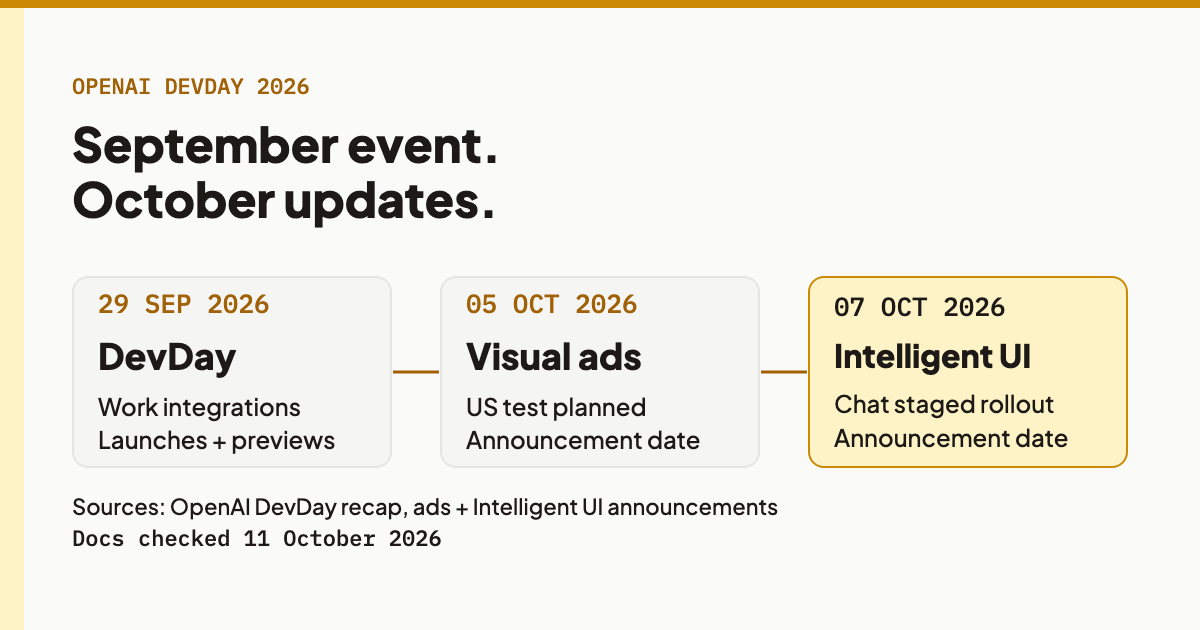
Read the September DevDay and October ChatGPT updates through their separate execution, account and usage limits, then choose a bounded draft for review.
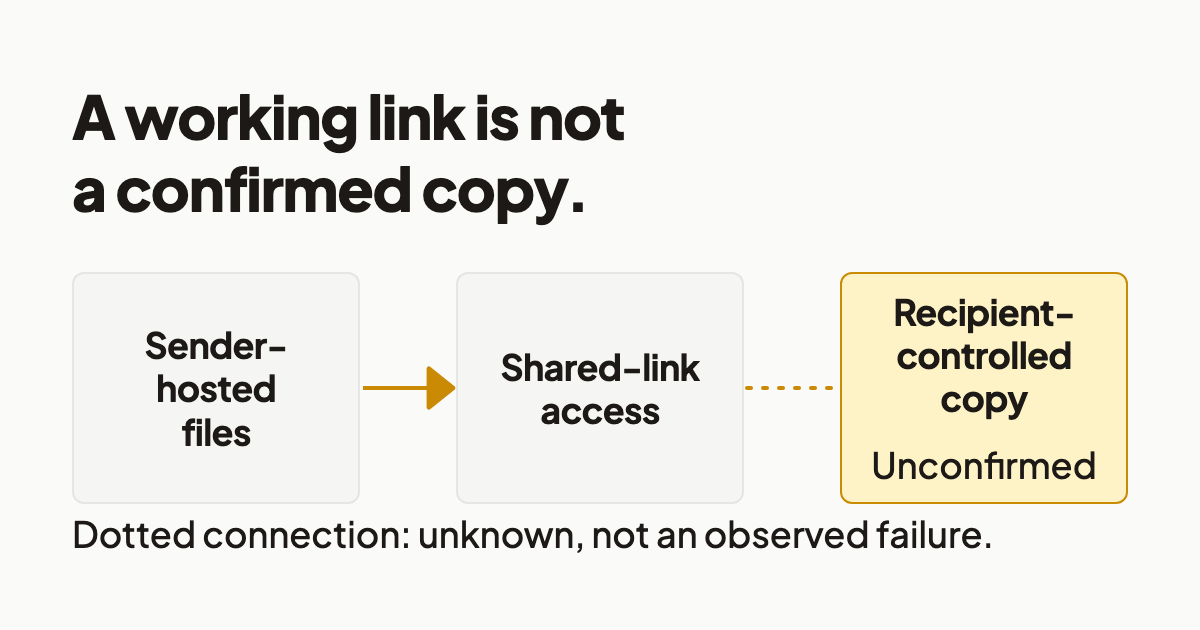
A working delivery link does not establish a retained copy. Check file-level control separately from the hosting deadline, without imposing indefinite storage.
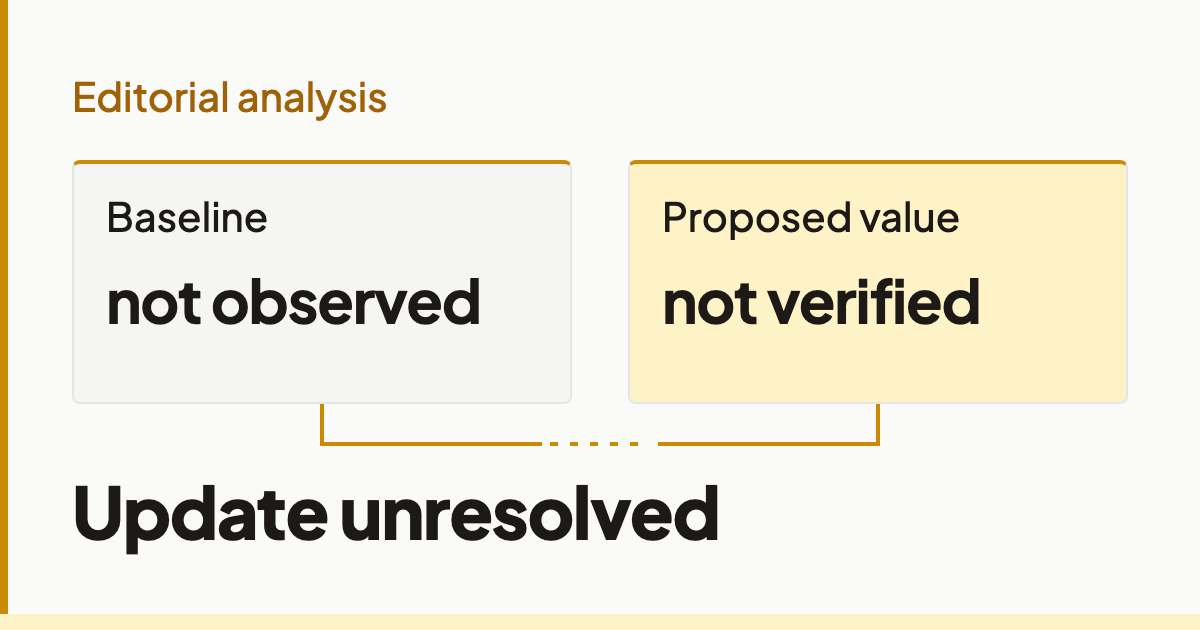
In multilingual AI research, a sourced proposal need not prove an update. One Farsi workbook shows why the relevant portal baseline still matters.
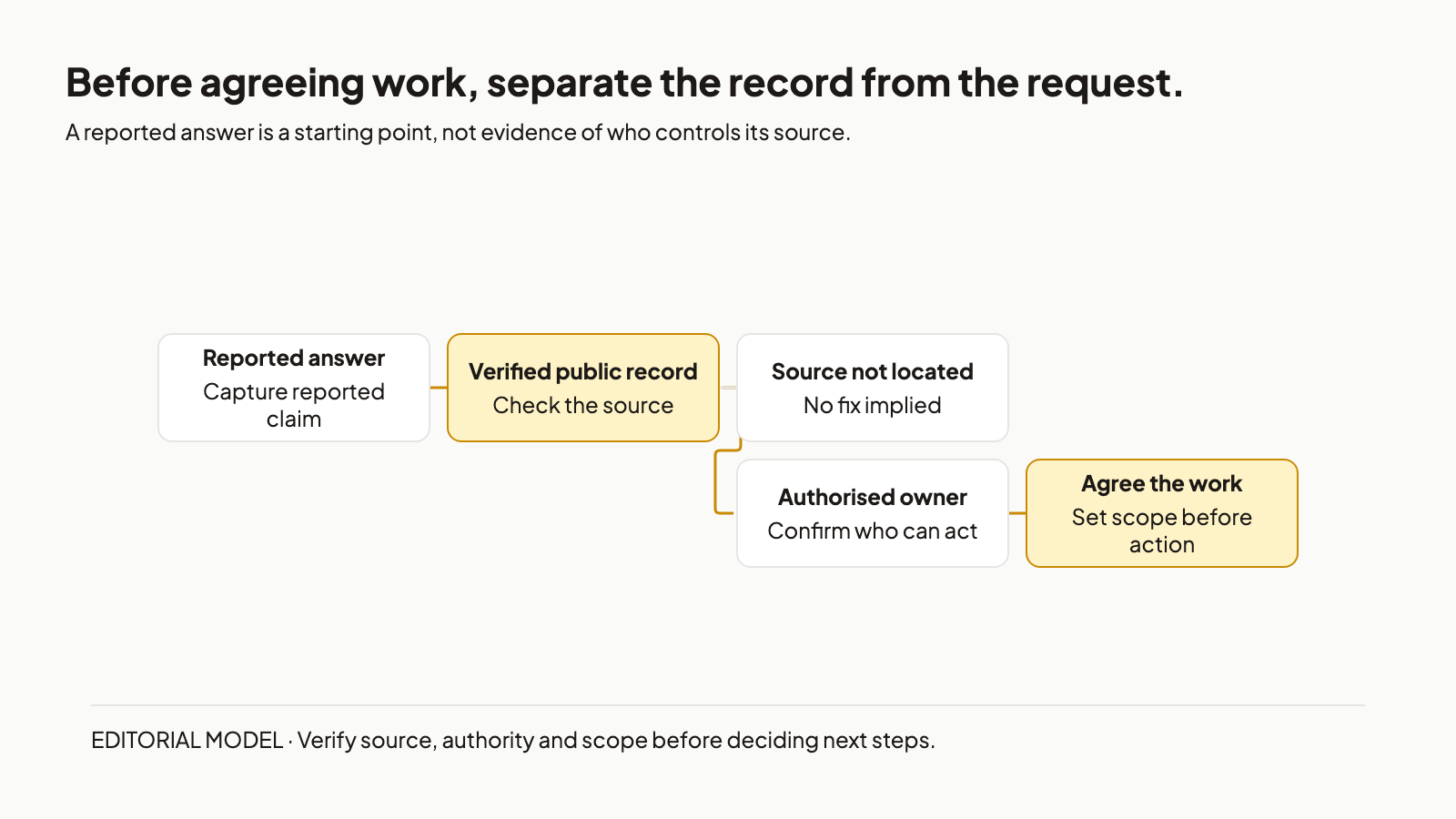
A former client reports outdated business information in ChatGPT. Verify the public record, identify its authorised owner, and scope the next action before promising a correction.
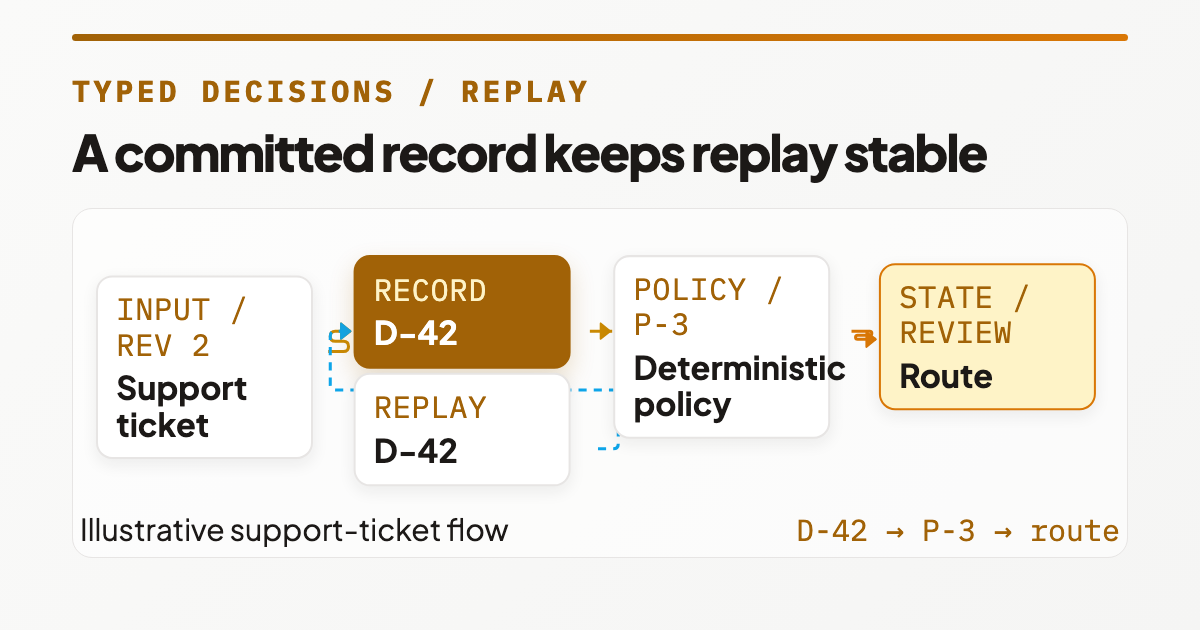
A typed model answer is an inference result, not a workflow transition. Record it once, pin the policy that consumes it, and replay the same decision without silently asking again.
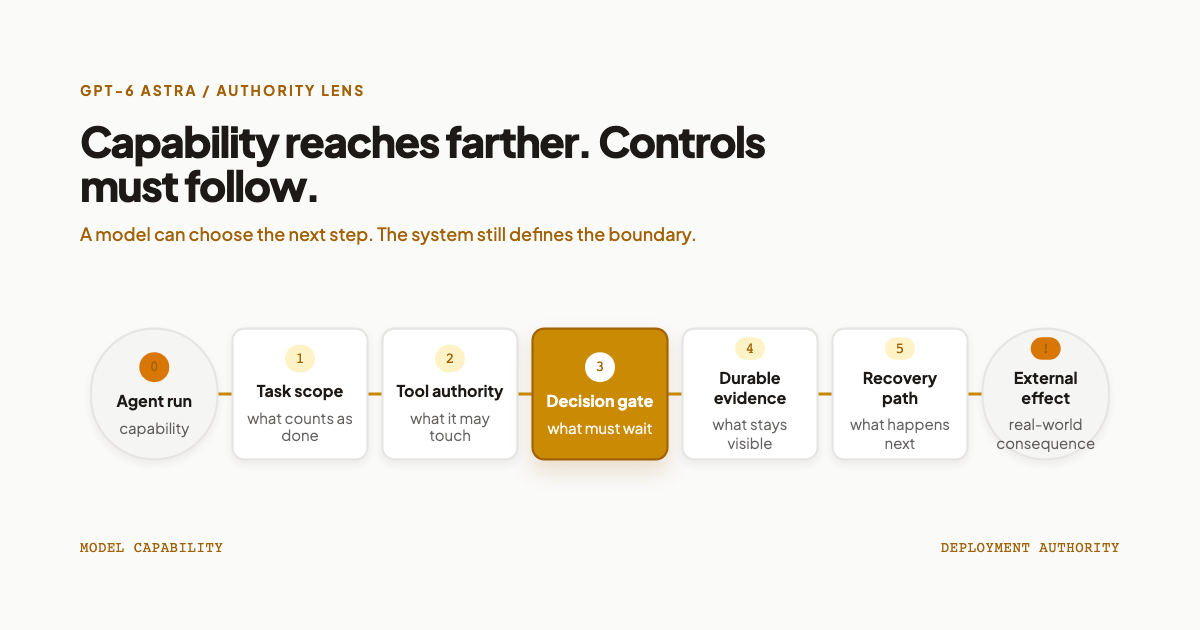
GPT-6 Astra raises the operating stakes for computer-using agents. Use five controls to define authority, evidence, approval, and recovery beyond the model.
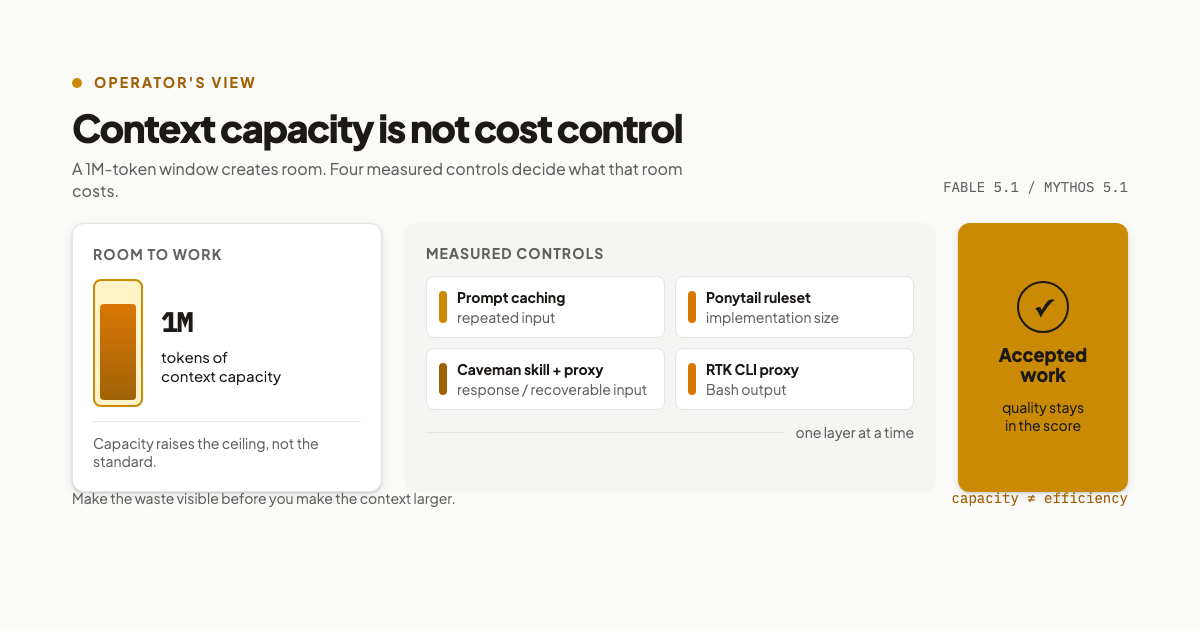
Five practical Claude Fable 5.1 and Claude Mythos 5.1 workflows, plus an honest comparison of prompt caching, Ponytail, Caveman, and RTK token savings.
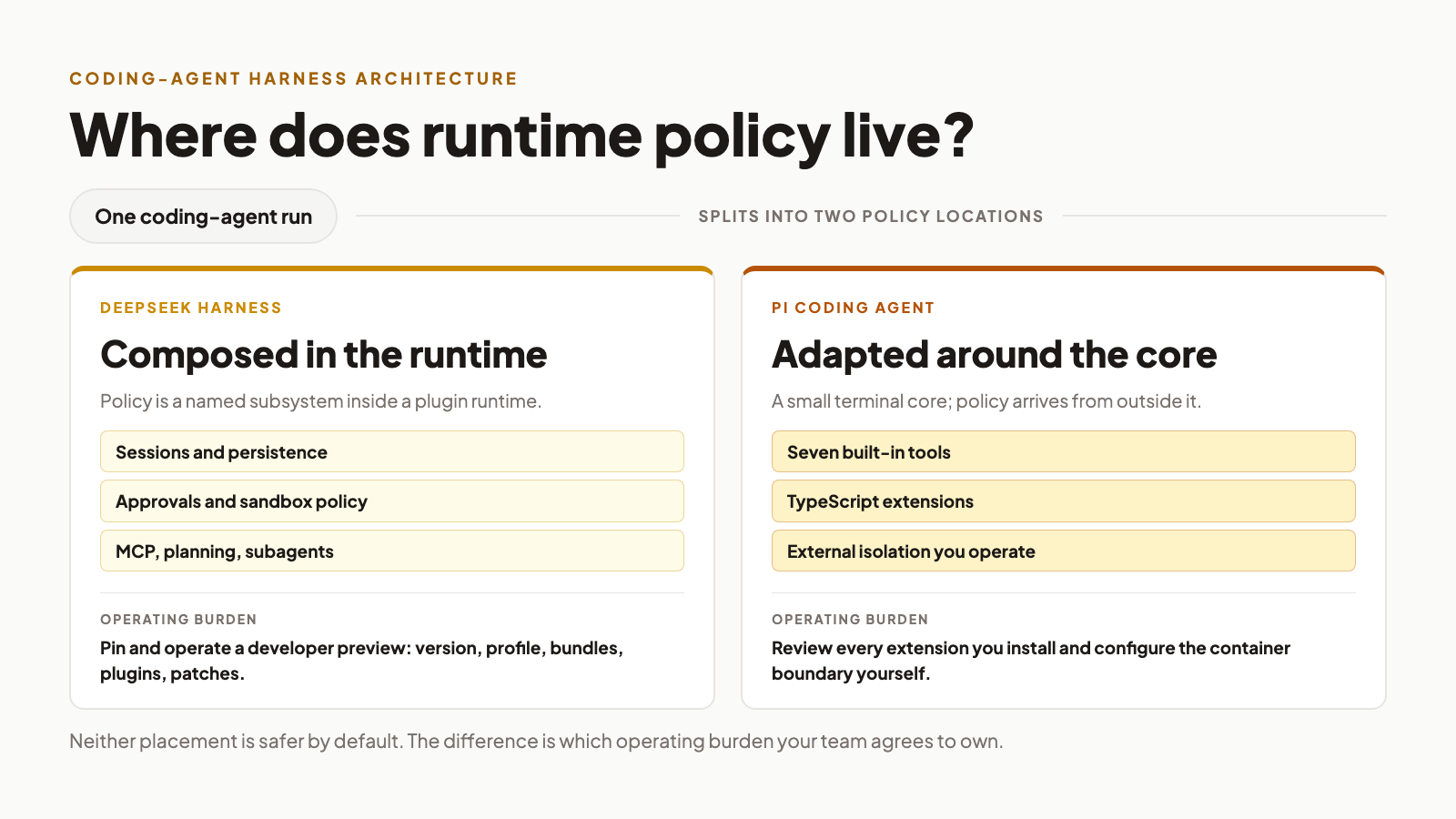
Compare DeepSeek Harness and Pi coding agent by architecture, MCP support, approvals, sandboxing, and session evidence. Choose the operating burden your team can own.
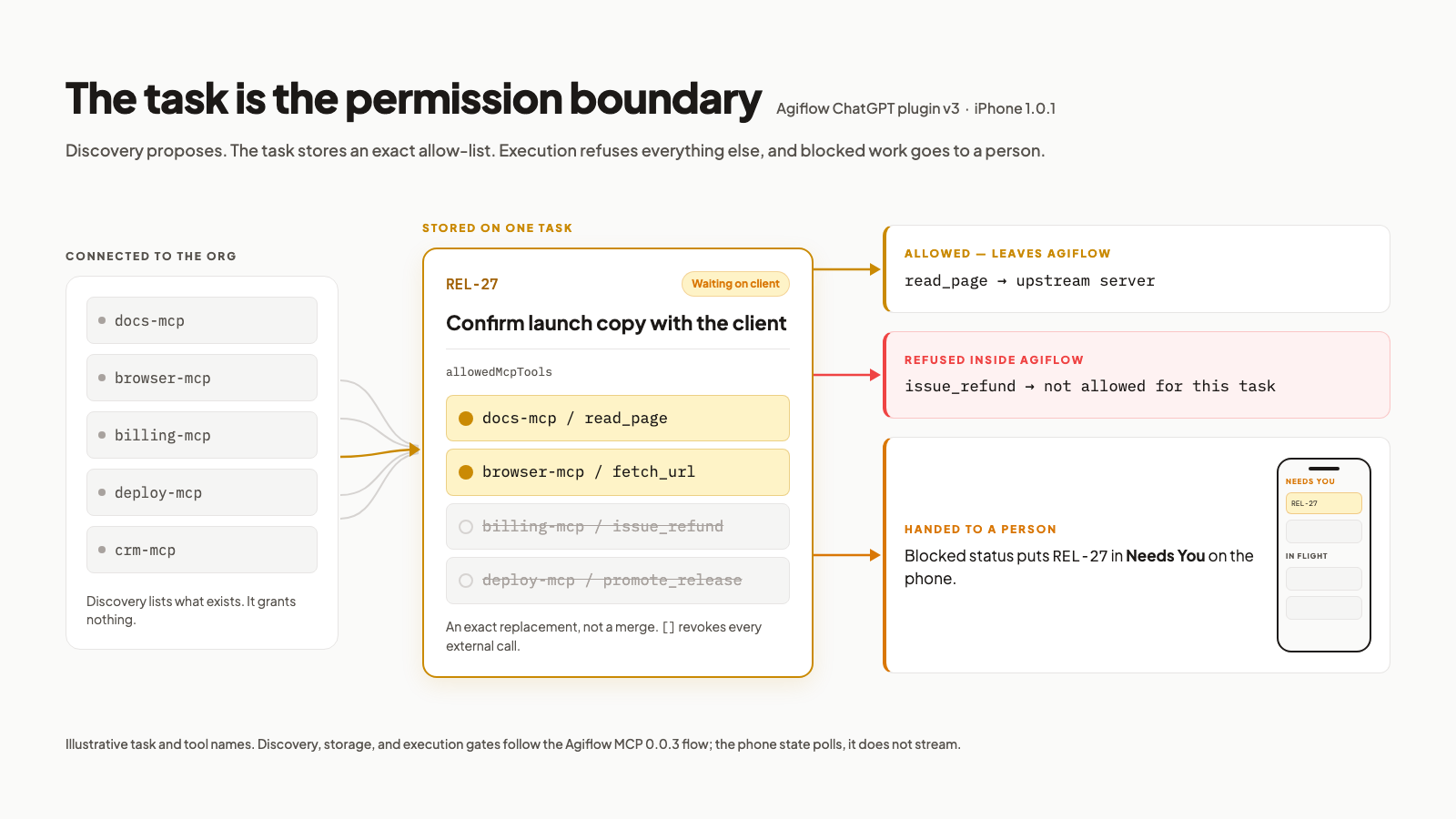
Scoped MCP tool access gives each task an exact external action set, checks it before execution, and gives blocked work a visible human handoff.
Showing 11 to 20 of 54 articles